
.png)
Insider's Guide to Albany's Creative Corners: Unconventional Winter Activities & Smart Rental Solutions
2026-01-29

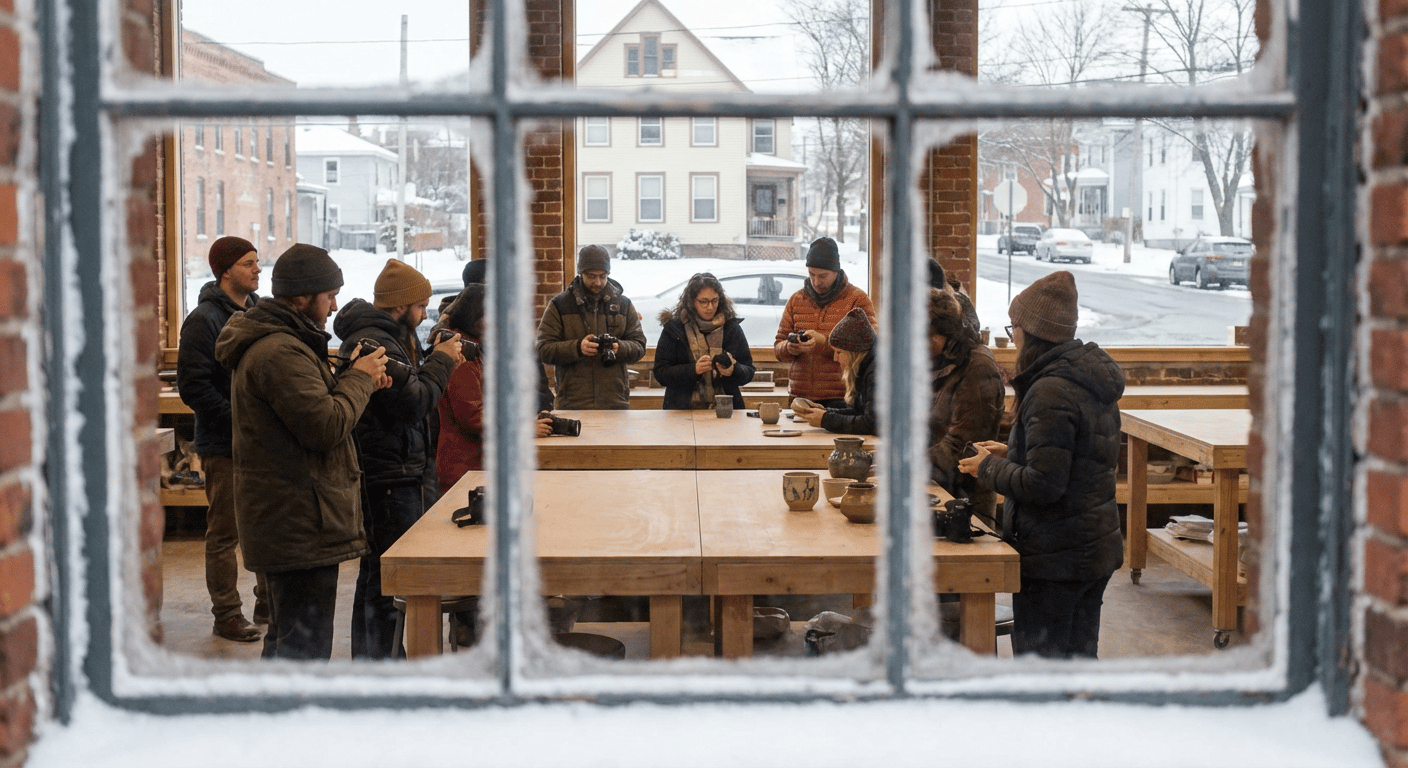
Winter in New York's capital region transforms https://www.visitalbanyny.org/' target'blank'>Albany into a canvas of creative possibility—if you know where to look. Beyond the https://empirestateplaza.ny.gov/' target'blank'>Empire State Plaza and standard museum tours lies a thriving ecosystem of neighborhood-based arts collectives, experimental culinary spots, and community-driven winter activities that even longtime residents often overlook. As apartment living in Albany's historic neighborhoods continues to grow, the practical challenge of storing seasonal equipment becomes increasingly relevant. This guide explores the capital region's authentic winter experiences while highlighting how the https://www.yoodlize.com' target'blank'>peer-to-peer rental marketplace solves the urban storage dilemma—allowing you to access exactly what you need for these distinctive Albany experiences without the commitment of ownership.
Albany's Underground Arts Scene: Winter Workshops & Pop-Ups
While summer brings Albany's well-known outdoor festivals, winter drives the creative energy indoors to warehouse spaces and repurposed buildings throughout the city. The https://www.centerforarts.org/' target'blank'>Center Square neighborhood transforms former industrial spaces into temporary galleries featuring experimental works from Capital Region artists. These pop-up exhibitions often include interactive elements where visitors can participate in the creative process. Meanwhile, in the warehouse district, weekend workshops teach everything from letterpress printing to small-batch candle making—perfect activities for the coldest days. These maker spaces typically provide basic tools, but specialized equipment often requires participants to bring their own. Rather than investing in expensive creative tools you might use only occasionally, consider https://www.yoodlize.com/search?qphotography+equipment' target'blank'>renting specialized photography equipment, https://www.yoodlize.com/search?qportable+lighting' target'blank'>portable lighting setups, or even https://www.yoodlize.com/search?qdigital+tablets' target'blank'>digital tablets for design work through peer-to-peer platforms. This approach not only saves money but also allows you to experiment with different equipment before committing to a purchase.
Neighborhood Microbrewery Tours: Beyond the Tourist Trail
Albany's craft beverage scene has evolved far beyond the downtown establishments that appear in tourist guides. The real innovation happens in neighborhood microbreweries scattered throughout the city's residential areas. In https://www.albanyny.gov/1252/Pine-Hills-Neighborhood' target'blank'>Pine Hills, garage brewers have established small-batch operations with tasting rooms open only on select winter weekends. The https://www.albanyny.gov/1248/Delaware-Avenue-Neighborhood' target'blank'>Delaware Avenue corridor hosts several experimental breweries specializing in unusual fermentation techniques and locally-foraged ingredients. These intimate spaces often require reservations and feature rotating taps that change weekly based on brewers' inspiration. For those interested in exploring multiple locations, transportation becomes a practical concern—especially during winter weather. Rather than driving between locations, consider https://www.yoodlize.com/search?qelectric+bikes' target'blank'>renting electric bikes equipped with winter tires or https://www.yoodlize.com/search?qportable+draft+system' target'blank'>arranging for portable draft systems to host your own tasting at home. Portable draft systems, specialized glassware, and even brewing equipment for demonstrations can transform a simple gathering into an educational experience without requiring permanent storage space in your home.
Winter Foraging: Urban Wildcrafting in Albany's Parks
Even in winter, Albany's extensive park system offers surprising opportunities for urban foraging—an activity that connects residents with seasonal cycles and traditional knowledge. The pine forests in https://www.albanyny.gov/1268/Pine-Bush-Preserve' target'blank'>Albany's Pine Bush Preserve contain edible needles used in teas and syrups, while certain winter mushroom varieties appear on fallen logs after freeze-thaw cycles. Local foraging groups organize guided walks specifically focused on winter identification skills, teaching participants about both edible finds and medicinal plants that remain accessible even in colder months. These activities require specialized knowledge and sometimes specialized equipment. Field guides and identification apps provide basic information, but proper https://www.yoodlize.com/search?qforaging+basket' target'blank'>foraging baskets, https://www.yoodlize.com/search?qfield+microscope' target'blank'>portable field microscopes for identification, or https://www.yoodlize.com/search?qfood+dehydrator' target'blank'>food dehydrators for preservation can enhance the experience without requiring year-round storage in limited urban living spaces.
Community Kitchen Collectives: Neighborhood Cooking Traditions
Albany's diverse neighborhoods each maintain distinct culinary traditions that become especially important during winter months. In the https://www.albanyny.gov/1265/South-End-Neighborhood' target'blank'>South End, community kitchens host weekly cooking sessions where residents share family recipes and techniques passed through generations. The https://www.albanyny.gov/1270/West-Hill-Neighborhood' target'blank'>West Hill area features cross-cultural cooking exchanges where immigrant communities teach traditional winter preservation methods. These community-centered culinary experiences often welcome visitors who want to learn authentic techniques rather than just consume the final products. Participating in these kitchen collectives typically requires bringing specific cooking equipment that might not be part of your everyday kitchen arsenal. https://www.yoodlize.com/search?qspecialized+baking+tools' target'blank'>Specialized baking tools, https://www.yoodlize.com/search?qlarge+cooking+vessels' target'blank'>large-capacity cooking vessels, or cultural-specific implements like https://www.yoodlize.com/search?qpasta+maker' target'blank'>pasta makers or https://www.yoodlize.com/search?qspecialty+grinder' target'blank'>specialty grinders can be expensive and take up valuable storage space in city apartments. Renting these items for specific cooking projects allows participation without permanent investment.
Winter Photography: Capturing Albany's Industrial Heritage
Albany's industrial architecture takes on a distinctive character during winter months when snow highlights structural details and early sunsets create dramatic lighting conditions. The city's waterfront areas, with their mixture of active and abandoned industrial sites, offer particularly compelling photographic opportunities. The https://www.albanyny.gov/1264/Port-of-Albany' target'blank'>Port of Albany area, accessible via the https://www.albanyny.gov/DocumentCenter/View/1514/Corning-Preserve-Trail-Map' target'blank'>Corning Preserve trail system, provides views of massive grain elevators and shipping infrastructure against winter skies. Meanwhile, the remnants of Albany's brewing history in the warehouse district create textural contrasts between brick, metal, and snow that attract both amateur and professional photographers. Serious photography in challenging winter conditions requires specialized equipment that can be prohibitively expensive for occasional use. https://www.yoodlize.com/search?qweather-resistant+camera' target'blank'>Weather-resistant camera bodies, https://www.yoodlize.com/search?qlow-light+lens' target'blank'>specialized lenses for low-light conditions, and https://www.yoodlize.com/search?qprofessional+tripod' target'blank'>proper tripods for long exposures represent significant investments. Rather than purchasing equipment you'll use only occasionally, consider renting professional-grade photography gear for specific projects. This approach allows access to higher quality equipment than most hobbyists would purchase while eliminating storage concerns.
Neighborhood Winter Markets: The Local Economy in Action
Beyond the well-known https://www.troymarket.org/' target'blank'>Troy Waterfront Farmers Market, Albany's neighborhoods host smaller, community-focused winter markets that showcase hyperlocal producers. The https://www.albanyny.gov/1254/Delaware-Community' target'blank'>Delaware Community Market operates from a converted warehouse space where vendors focus exclusively on products made within Albany city limits. In the https://www.albanyny.gov/1261/Mansion-Neighborhood' target'blank'>Mansion neighborhood, residents organize monthly winter exchanges where no money changes hands—only bartered goods and services. These intimate market experiences connect residents directly with makers and build community resilience during winter months when social isolation can become challenging. Participating in these markets as a vendor requires https://www.yoodlize.com/search?qmarket+display+equipment' target'blank'>display equipment, https://www.yoodlize.com/search?qportable+heater' target'blank'>portable heating solutions, and sometimes specialized storage containers that maintain product integrity in fluctuating temperatures. For occasional sellers or those testing market viability for new products, purchasing this equipment outright represents an unnecessary investment. Consider https://www.yoodlize.com/search?qmarket+stall' target'blank'>renting portable market stalls, https://www.yoodlize.com/search?qdisplay+fixtures' target'blank'>display fixtures, or https://www.yoodlize.com/search?qtemperature-controlled+transport' target'blank'>specialized transport equipment that keeps products at appropriate temperatures. This approach allows participation in the local economy without commitment to equipment that might be used only occasionally.
Albany's winter landscape offers far more than the standard tourist experiences—it provides windows into authentic community life and creative resilience. By exploring these neighborhood-based activities, visitors and residents alike can discover the capital city's true character beyond institutional landmarks. The https://www.yoodlize.com' target'blank'>peer-to-peer rental marketplace makes these experiences more accessible by removing barriers to participation. Rather than investing in equipment for occasional use or struggling with storage in urban living spaces, renting provides practical access to exactly what you need, when you need it. This approach not only makes financial sense but also builds community connections as equipment moves between users with shared interests. As you explore Albany's creative corners this winter, consider how the sharing economy can enhance your experience while supporting sustainable consumption patterns in our capital city.
.png)