
.png)
Renting Your Way Through Boston's Harbor Islands: A Peer-to-Peer Guide to Island Hopping Without the Gear Burden
2025-12-10

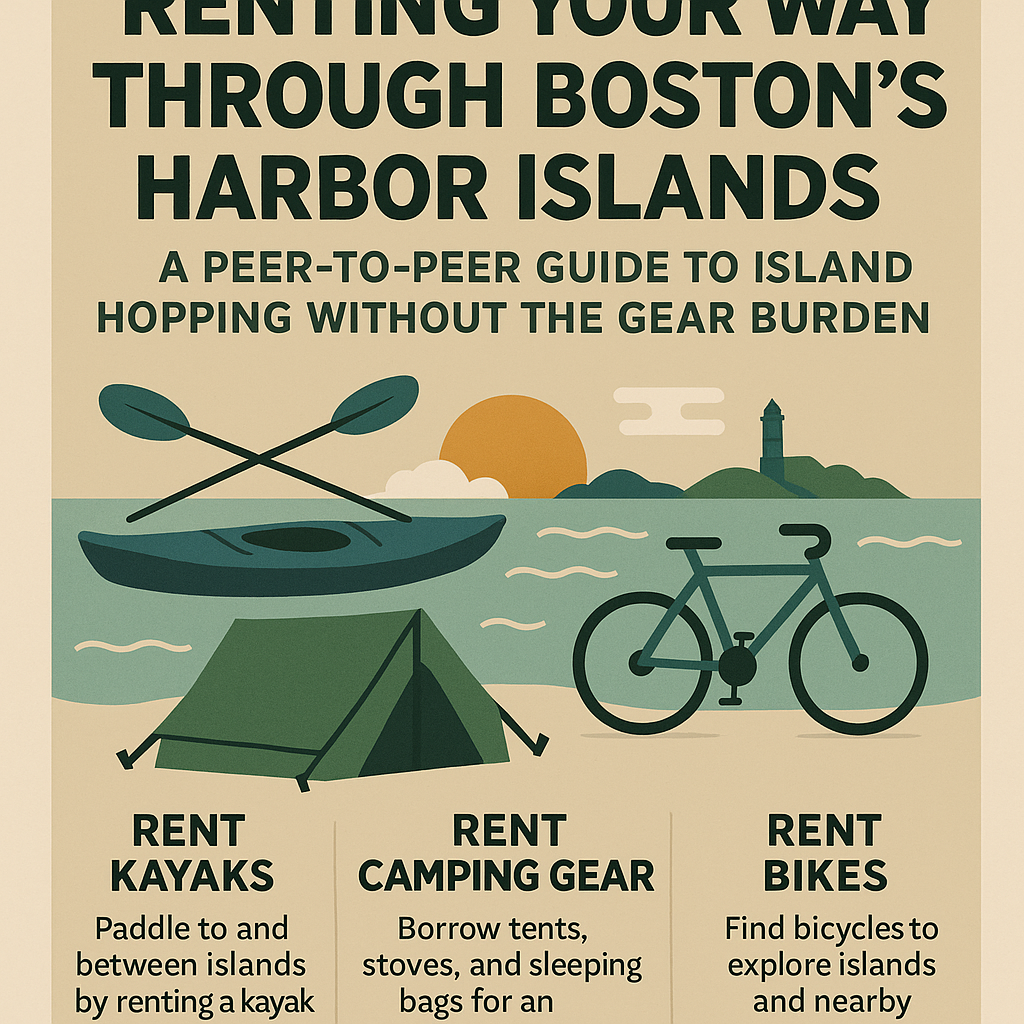
Boston Harbor Islands National and State Park stretches across 1,600 acres of coastal wilderness just minutes from downtown, yet most Bostonians have never set foot on these protected lands. The barrier isn't distance or interest. It's gear. Kayaks don't fit on the T. Camping equipment clutters apartments for 51 weeks between uses. Quality bikes cost thousands but get stolen from Southie porches. This is where Boston's peer-to-peer rental economy transforms island access from aspirational to practical, letting you borrow exactly what you need from locals who already own it.
The Ferry Problem and the Kayak Solution
Boston Harbor Islands ferry service runs from Long Wharf and Hingham Shipyard between May and October, but the official ferry schedule shows strict luggage limitations. Bulky equipment gets refused at boarding. This creates a catch-22: you want to explore the islands by water, but you can't bring watercraft on passenger ferries. Peer-to-peer kayak rentals solve this by letting you pick up a boat near launch points in East Boston, Quincy, or Hull. Paddle to islands like Peddocks or Grape without coordinating ferry times or paying per-person transit fees. Local kayak owners list their boats during peak season, and you return them to the same dock after your paddle. The Charles River sees bike rental searches spike in late June and early August according to trend data, but harbor paddling stays under the radar despite offering better wildlife encounters. Herons nest on Spectacle Island. Harbor seals haul out near Thompson Island. You won't see either from the Esplanade.
Camping Gear That Doesn't Live in Your Closet
Four Boston Harbor Islands permit camping: Peddocks, Lovells, Grape, and Bumpkin. The Massachusetts Department of Conservation and Recreation manages reservations, but they don't provide equipment. Tent camping on these islands means hauling sleeping bags, stoves, coolers, and tarps across water and up beach access points. For Boston residents living in studios or shared apartments, storing this gear year-round makes no sense. Renting camping equipment from another Bostonian through peer-to-peer platforms costs less than buying and eliminates the storage burden. Someone in Dorchester owns a four-season tent they used twice. Someone in Cambridge has backpacking stoves gathering dust. You need these items for one weekend in July. The rental transaction benefits both parties while opening island camping to people who would otherwise skip it due to equipment costs.
Bikes for Island Exploration and Urban Connections
Georges Island and Spectacle Island maintain paved paths suitable for casual biking, but bringing bikes on ferries requires advance permission and incurs extra fees. Renting bikes near ferry terminals eliminates this friction. Thompson Island, connected to the mainland by a private causeway during some tides, becomes accessible by bike from Dorchester without any ferry involvement. The official park biking guidelines recommend staying on designated paths to protect sensitive dune ecosystems. Standard city bikes work fine for these flat, maintained routes. You don't need a $2,000 road bike for three miles of island pathways. Google Trends shows minimal search volume for 'Boston bike rentals' during winter months, but spring and summer see scattered peaks. This seasonal pattern aligns perfectly with peer-to-peer rental economics where owners list bikes they're not using during prime weather windows.
Event Equipment for Island Group Gatherings
Boston Harbor Islands allow group picnics, educational programs, and special events with proper permits from the National Park Service. These gatherings require equipment most people don't own: pop-up canopies for sun protection, large coolers for group food storage, portable speakers for outdoor presentations, folding tables for serving stations. Buying this equipment for a single company outing or family reunion makes no financial sense. Renting from Boston locals who own event gear creates a practical solution. Someone in Jamaica Plain runs a catering business and owns commercial-grade coolers. Someone in Allston has a canopy tent from their wedding last year. These items sit unused most days but become valuable assets when you're planning an island event for 30 people. Peer-to-peer rentals turn idle equipment into shared resources while saving you hundreds compared to traditional rental companies.
Winter Equipment for Off-Season Island Access
Ferry service ends in October, but the islands remain open year-round for those willing to arrange private water transportation or walk the causeway to Thompson Island. Winter visits offer solitude and dramatic coastal scenery without summer crowds. However, cold-weather gear becomes essential: insulated waders for beach exploration, winter camping equipment rated for temperatures near freezing, waterproof bags to protect electronics from spray. These specialized items cost significant money and serve limited annual use for most Bostonians. The National Weather Service Boston office reports average January temperatures around 30 degrees with frequent wind that drops perceived temperatures lower. Renting cold-weather gear from locals who kayak or camp year-round gives you access to quality equipment without the investment. Someone in Somerville owns a dry suit they use for winter paddling. Someone in Medford has expedition sleeping bags from their Alaska trip. These owners welcome rental income during months when casual users wouldn't consider island visits.
Navigation and Safety Equipment You'll Actually Return
Boston Harbor's shipping channels, tidal currents, and weather patterns demand respect. The Boston Harbormaster recommends marine radios, GPS devices, and proper safety equipment for anyone venturing onto harbor waters in personal watercraft. These items represent significant expense for occasional users but are standard equipment for regular boaters. Peer-to-peer rentals let you borrow marine GPS units, waterproof VHF radios, and emergency signaling devices from experienced harbor users who understand local conditions. Someone in Hull keeps backup navigation equipment from their sailing days. Someone in Winthrop has marine safety gear they replaced with newer models. You need these items for safe island access but won't use them often enough to justify purchase prices. The rental model provides proper equipment while connecting you with locals who can offer route advice and current condition updates.
Boston Harbor Islands represent an underutilized outdoor resource sitting in plain sight of downtown office towers. The barrier to access isn't distance or permits. It's equipment logistics. Peer-to-peer rentals remove this friction by connecting you with Bostonians who own the exact gear you need for island exploration. Browse camping equipment, kayaks, bikes, and safety gear from local owners on Yoodlize. Rent what you need for your island adventure, return it when you're done, and skip the storage burden entirely. The islands are waiting. The gear is already in Boston. You just need to connect the two.
.png)