
.png)
Exploring Boston's Hidden Waterways and Urban Trails: Seasonal Adventures Without Buying Gear
2026-02-09

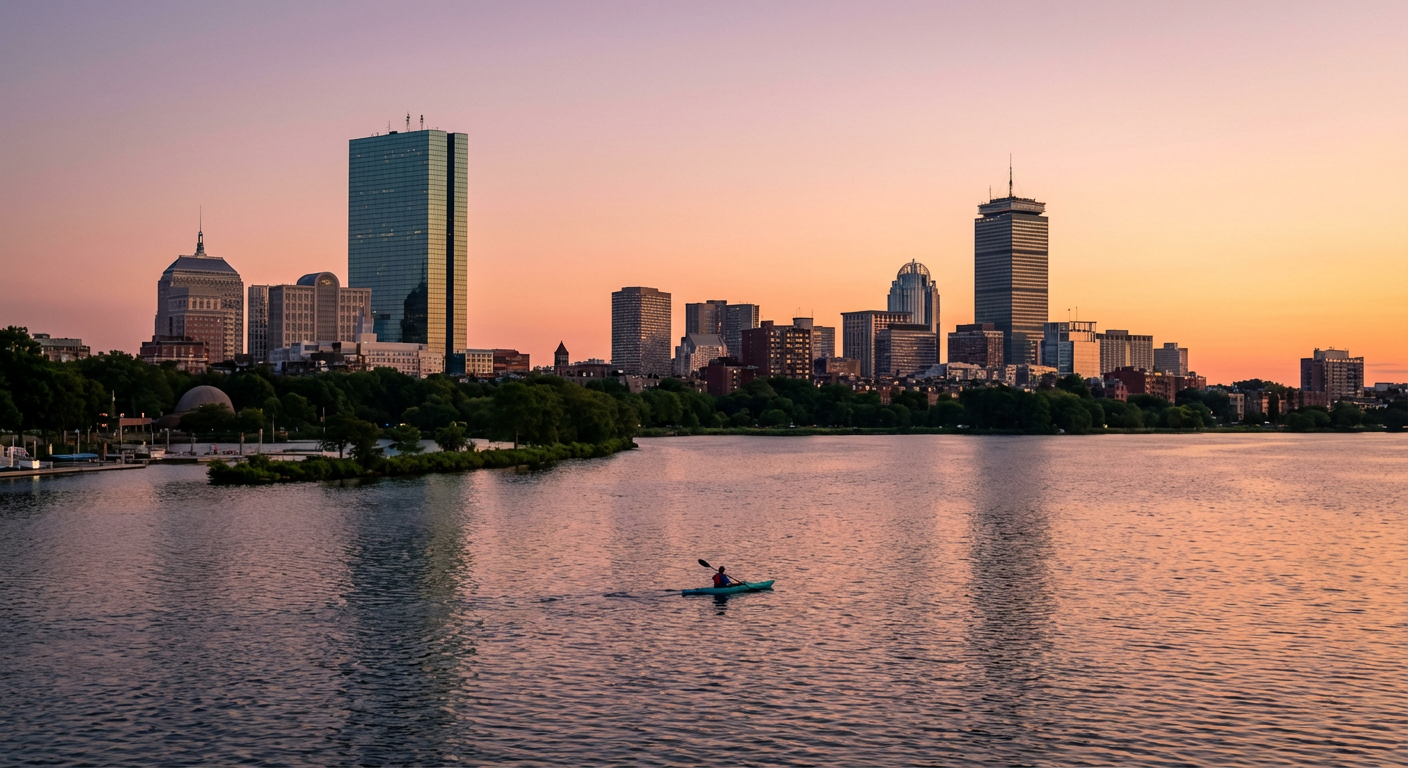
Boston transforms in summer as its waterways and green spaces come alive with possibilities beyond the typical [Freedom Trail](https://www.thefreedomtrail.org/) tours. The city's network of rivers, harbor islands, and urban parks offers refreshing escapes from both tourist crowds and summer heat. For locals and visitors alike, these experiences often require specialized gear that doesn't make sense to purchase outright, especially given Boston's notoriously tight living spaces and seasonal nature of many activities. This guide highlights Boston's distinctive summer adventures with practical rental solutions that save you money and storage headaches.
Boston's Urban Waterways: Beyond the Harbor Cruise
While tourist boats pack the harbor, locals know that [Boston's Charles River](https://www.charlesriver.org/) offers a peaceful perspective of the city skyline that few tourists ever experience. Unlike the crowded harbor tours, paddling the urban waterways provides intimate access to hidden coves and wildlife areas that reveal Boston's natural character. According to the [Charles River Watershed Association](https://www.crwa.org/), summer water quality has dramatically improved in recent years, making recreational paddling increasingly popular from June through September. For an especially memorable experience, time your paddle for sunset when the city lights begin reflecting on the water. Rather than investing in kayak storage in your Beacon Hill apartment or Back Bay condo, renting makes perfect sense for occasional paddling adventures. Look for lightweight recreational kayaks that handle well in the generally calm river conditions.
The Emerald Necklace: Boston's Connected Park System
Boston's [Emerald Necklace](https://www.emeraldnecklace.org/), designed by landscape architect Frederick Law Olmsted, offers 1,100 acres of connected green space through the city. Unlike the crowded [Boston Common](https://www.boston.gov/departments/parks-and-recreation/boston-common), the less-visited sections of this park system provide shaded trails and quiet spots perfect for summer picnics, photography, or morning runs. The [Arnold Arboretum](https://arboretum.harvard.edu/) features over 15,000 plants and specialized collections that peak at different summer weeks, making repeat visits rewarding. According to the Emerald Necklace Conservancy, the interconnected parks see significantly less foot traffic on weekday mornings, making this the ideal time to explore with rental bikes. The relatively flat terrain makes this accessible for casual cyclists, while the extensive trail network rewards those who bring quality cameras to capture the landscape architecture and seasonal blooms.
Harbor Islands: Boston's Offshore Wilderness
Just a short ferry ride from downtown, [Boston Harbor Islands National Recreation Area](https://www.nps.gov/bost/index.htm) offers an entirely different summer experience that most visitors (and many locals) completely miss. These 34 islands and peninsulas feature hiking trails, historic forts, tide pools, and beaches—all with spectacular city views. According to the National Park Service, [Spectacle Island](https://www.boston.gov/departments/parks-and-recreation/spectacle-island) offers the highest point in Boston Harbor with panoramic views, while Georges Island features Fort Warren, a Civil War-era granite fort perfect for history enthusiasts. Many islands permit camping, creating an unusual opportunity for an overnight wilderness experience within view of the city skyline. Since island camping is typically an occasional activity for most Bostonians, renting gear makes far more sense than purchasing equipment that will sit unused most of the year. Look for lightweight tents, sleeping bags rated for summer temperatures, and compact cooking equipment that won't weigh you down on the ferry crossing.
Seasonal Cycling: Boston's Transformed Biking Culture
Boston has undergone a remarkable transformation from one of America's least bike-friendly cities to one with over 60 miles of dedicated bike lanes and paths. Summer brings perfect conditions for exploring neighborhoods like [Jamaica Plain](https://www.boston.gov/neighborhoods/jamaica-plain), [Cambridge](https://www.cambridgema.gov/), and the [Southwest Corridor Park](https://www.boston.gov/parks/southwest-corridor-park) by bicycle. According to Boston's transportation department data, cycling activity peaks in July and August when weather conditions are ideal and daylight extends into evening hours. The [Minuteman Bikeway](https://www.mass.gov/locations/minuteman-bikeway) offers a car-free route through Cambridge, Arlington, and Lexington, following historic Revolutionary War sites. For visitors or occasional riders, purchasing a quality bike makes little financial sense when rentals offer the right equipment for specific routes. Look for hybrid bikes that handle both paved paths and occasional gravel sections found throughout Boston's network. For families, consider renting child trailers or tag-along attachments that make the city's bike network accessible to younger explorers.
Urban Photography: Capturing Boston's Architectural Contrasts
Summer's extended daylight hours and dramatic evening skies create ideal conditions for urban photography in Boston. The city's unique mix of colonial-era buildings, Victorian brownstones, and modern skyscrapers creates compelling compositional opportunities, especially during the golden hour just before sunset. According to the [Boston Preservation Alliance](https://www.bostonpreservation.org/), neighborhoods like [Beacon Hill](https://www.beaconhill.org/) and Bay Village contain the highest concentration of original Federal period architecture in the country, while the [Seaport District](https://www.seaportboston.com/) showcases Boston's most contemporary designs. This architectural contrast makes Boston particularly rewarding for photography enthusiasts. Rather than investing in expensive camera equipment for occasional use, renting specialized lenses or camera bodies allows photographers to match their equipment to specific shooting conditions. Wide-angle lenses excel at capturing narrow colonial streets and architectural details, while telephoto options help isolate distinctive building elements against changing skies.
Boston reveals its true character through these less-traveled experiences that connect you to both its natural environment and cultural heritage. Whether you're paddling urban waterways, cycling through historic neighborhoods, or camping within view of the skyline, these activities offer a more authentic connection to the city than standard tourist itineraries. Renting the right equipment through [Yoodlize](https://www.yoodlize.com/) not only saves money compared to purchasing gear you'll use occasionally, but it also solves the practical storage challenges that come with Boston's notoriously compact living spaces. Browse available rentals from local owners to find exactly what you need for your next Boston adventure without the commitment of ownership.
.png)