
.png)
How to Make Money Renting Your Gear in Ann Arbor, Michigan
2026-02-24

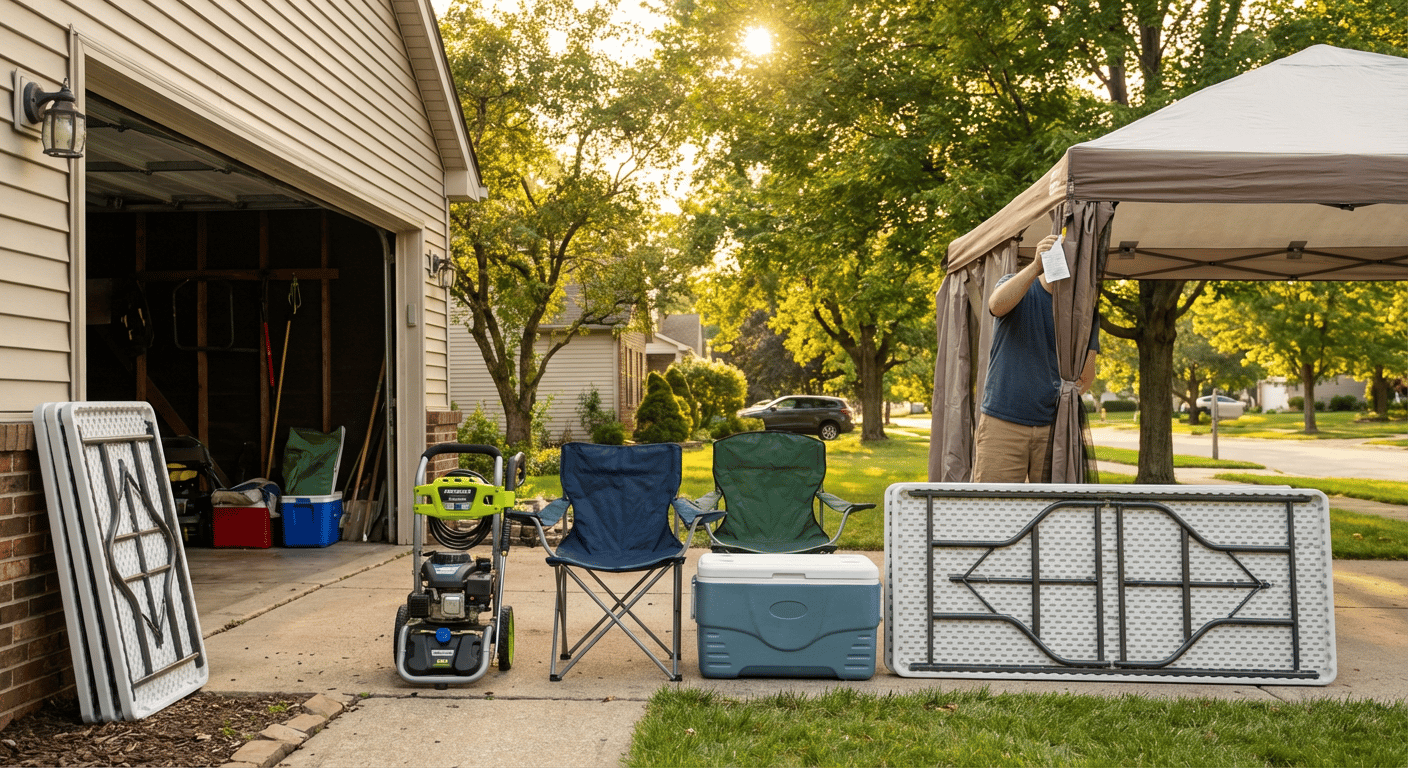
There is a particular kind of clutter that accumulates in Ann Arbor garages and storage units: the pressure washer used twice a year, the camping gear that came out once for a Pinckney trip, the folding tables bought for a graduation party and never touched again. Most of it sits idle while neighbors a few streets over are actively searching for exactly those items. Google Trends data tracked over the past year tells a clear story for Michigan: searches for 'tool rental' have been climbing steadily since spring 2025, peaking at an index score of 100 in mid-August before settling into a consistently elevated range through the fall and winter months. That sustained demand is not accidental. It reflects a city where a large, transient university population, a dense calendar of community events, and a strong DIY culture all converge to create a genuine peer-to-peer rental economy waiting to be tapped. [Yoodlize](https://app.yoodlize.com/listings/) is the platform built for exactly this moment, connecting people who own useful gear with the people who need it, right here in Ann Arbor.
What Ann Arbor Residents Are Actually Searching For
The Google Trends data for Michigan over the past year is instructive in ways that go beyond the obvious. While searches for niche terms like 'camping equipment Ann Arbor' registered near zero, the broader category of 'tool rental' showed consistent, high-volume interest throughout the entire 12-month period, with values ranging from the low 30s in late winter to a peak of 100 in August 2025. That August spike is telling: it aligns directly with the weeks before University of Michigan students return to campus, a period when landlords, homeowners, and renters across Washtenaw County are scrambling to complete repairs, renovations, and move-in preparations. Event tent rental, while lower in absolute volume, showed a notable uptick beginning in late July and persisting through the fall, which maps onto Ann Arbor's outdoor graduation party season and the stretch of neighborhood block parties and community gatherings that define late summer here. For anyone sitting on a drill press, a tile saw, a wet-dry vac, a pressure washer, or a set of folding tables and a canopy, this data represents a direct signal: your neighbors are looking for what you already own.
The Ann Arbor Rental Calendar: Demand That Follows the Academic Year
Ann Arbor does not operate on a typical seasonal calendar. It operates on an academic one, and that distinction matters enormously for anyone thinking about rental income. The late July through mid-August window is arguably the highest-demand period for tools and home improvement equipment, as property owners rush to turn over rentals before the fall semester begins. September brings a different wave: the football season. Michigan Stadium draws over 100,000 people to home games, and the tailgating infrastructure that supports those crowds, from canopies and folding furniture to portable speakers and generators, is in active demand from late August through November. Spring graduation season, typically in late April and early May, triggers another surge in event-related rentals, particularly tents, tables, chairs, and serving equipment, as families descend on Ann Arbor for outdoor celebrations. Even the quieter winter months carry opportunity: the [Ann Arbor Ice Cube](https://ann-arbor-ice-cube.wheree.com/) and indoor recreation facilities keep residents active, and the stretch from Thanksgiving through the new year sees consistent interest in tools as people tackle home projects during time off. Understanding this rhythm means you can price and promote your listings strategically rather than just listing and hoping.
The Makerspace Mindset and the DIY Renter
Ann Arbor has a documented culture of hands-on making and building. Local makerspaces charge day rates for access to specialized tools, and that model has trained a segment of the population to think in terms of renting access to equipment rather than owning it outright. [A 2021 exchange on social media](https://x.com/JeffreySBeckett/status/1382053149096222725) noted that Ann Arbor's makerspaces offered tool access for around $45 for a day pass, covering equipment for jewelry making, textiles, and fabrication. That price point is a useful benchmark: it tells you what Ann Arbor residents are already willing to pay for temporary access to specialized gear. If you own woodworking tools, metalworking equipment, sewing machines, or even high-quality photography gear, you are operating in a market where the concept of renting rather than buying is already normalized. Listing those items on [Yoodlize](https://app.yoodlize.com/listings/) puts you directly in front of an audience that has already accepted the rental model and is actively looking for more accessible options outside of formal membership structures.
The Treeline Effect: Infrastructure Investment and Outdoor Gear Demand
[Ann Arbor's Treeline trail project](https://concentratemedia.com/ann-arbors-ambitious-treeline-trail-project-advances-with-1-million-state-earmark/), which received a $1 million state earmark in late 2025, is not just a parks story. It is an economic signal. When a city invests in connected outdoor infrastructure, it reliably increases demand for the gear that makes that infrastructure usable: bicycles, e-bikes, cargo bikes, hiking and trail running equipment, and the accessories that go with them. [The Freedom River project progressing in nearby Hamburg Township](https://www.whmi.com/news/article/48067) adds another layer, with river access expanding recreational kayaking and canoeing opportunities within easy driving distance of Ann Arbor. Kayak rental searches in Michigan, while low in absolute volume, showed consistent presence throughout the summer months in the trends data. For residents who own kayaks, canoes, paddleboards, or cycling equipment that sits unused for months at a time, the combination of improving local infrastructure and growing recreational interest creates a compelling case for listing on [Yoodlize](https://app.yoodlize.com/listings/). You do not need to be a full-time outfitter to earn from gear you already own.
How to List Your Items on Yoodlize and Start Earning
Getting started on [Yoodlize](https://app.yoodlize.com/listings/) is straightforward, but the listings that perform well in a market like Ann Arbor share a few specific qualities. First, photograph your items in good light with a clean background, and include a shot that shows scale. A drill or a canopy tent photographed next to a recognizable object gives renters the context they need to make a quick decision. Second, write descriptions that speak to the specific use cases most relevant locally: mention that a pressure washer is ideal for pre-sale home prep or post-winter driveway cleaning, or that a canopy tent is sized for a standard Ann Arbor backyard graduation party. Third, price with the local market in mind. The tool rental index data suggests sustained demand, which means you do not need to undercut aggressively to get bookings. Research what comparable items rent for through commercial rental companies in the area and price competitively while accounting for the convenience of peer-to-peer pickup. Fourth, keep your availability calendar updated. During high-demand windows like August move-in season and May graduation weekends, a listing that shows as available will capture bookings that an outdated calendar will miss. Finally, respond to inquiries quickly. In a university city where people often need gear on short notice, response time is a meaningful competitive advantage.
Maximizing Your Rental Income in Ann Arbor: Practical Strategies
The residents who earn the most from peer-to-peer rentals in markets like Ann Arbor tend to approach it with a light but deliberate strategy rather than a passive set-it-and-forget-it mindset. A few practices make a measurable difference. Bundling related items increases the average transaction value and makes your listing more useful: a canopy tent listed alongside folding tables and chairs is more likely to get booked for a graduation party than a tent listed alone. Seasonal repricing is worth the five minutes it takes: demand for outdoor and event gear spikes in May and August, and your pricing should reflect that. Building a track record of positive reviews early matters more in a university city than in most markets, because Ann Arbor's population turns over significantly each year, meaning new potential renters are always arriving who will rely on reviews to make decisions. Consider listing items that complement the [Treeline trail](https://concentratemedia.com/ann-arbors-ambitious-treeline-trail-project-advances-with-1-million-state-earmark/) and [Freedom River recreational corridor](https://www.whmi.com/news/article/48067) as those projects develop, since infrastructure investment historically drives sustained gear demand in the surrounding community. And do not overlook the academic calendar as a pricing and promotion guide: the two weeks before fall semester begins are worth treating as a peak season equivalent to the summer holidays.
A Note on the Sharing Economy in a University City
Ann Arbor occupies an interesting position in the peer-to-peer economy. The University of Michigan brings a population that is, by definition, temporary and often under-equipped: graduate students, visiting researchers, and undergraduates who need gear for a semester or a season but have no interest in owning it long-term. That population is also digitally native and comfortable with app-based transactions. At the same time, the permanent resident base includes a significant number of homeowners with garages full of equipment accumulated over years of projects and hobbies. The structural match between these two groups is almost unusually clean. [Yoodlize](https://app.yoodlize.com/listings/) functions as the connective tissue between them, and the residents who recognize this dynamic early are the ones who will build the most consistent rental income. The platform is not asking you to become a business. It is asking you to make what you already own work harder for you, in a city where the demand to borrow it is already documented and growing.
Ann Arbor is a city where the conditions for a thriving peer-to-peer rental economy are already in place: sustained search demand for tools and equipment, a predictable academic calendar that creates recurring demand spikes, expanding outdoor infrastructure that drives recreational gear interest, and a culturally embedded comfort with renting over owning. The gear sitting in your garage or storage unit is not just clutter. In this city, at this moment, it is a potential income stream. Listing on [Yoodlize](https://app.yoodlize.com/listings/) takes less time than a trip to the hardware store, and the first booking often comes faster than new sellers expect. If you have tools, event equipment, outdoor gear, or specialty items that you use occasionally but not constantly, now is a practical time to put them to work. [Visit Yoodlize](https://app.yoodlize.com/listings/), create your listing, and let Ann Arbor's demand find you.
.png)