
.png)
How to Make Money Renting Your Gear in Boston, Massachusetts
2026-02-25

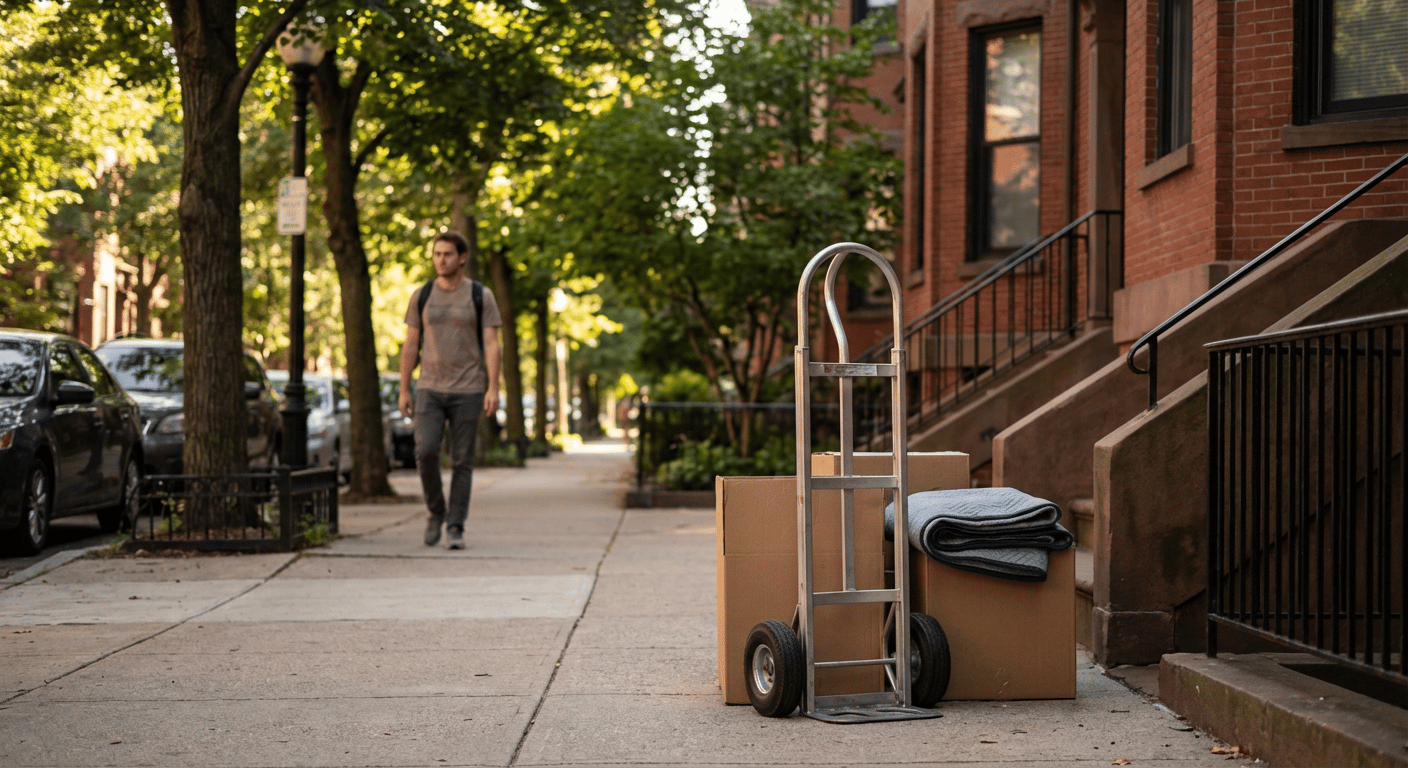
Boston operates on a rhythm that most American cities don't. Every August, roughly 150,000 students descend on the metro area to attend one of the region's 35-plus colleges and universities, and Google Trends data confirms it: searches for 'moving to Boston' spike to their annual peak during the weeks of August 10 through 23, hitting a relative index score of 100 before tapering through the fall. That wave of arrivals, combined with the city's notoriously expensive cost of living and compact apartment culture, creates a structural demand for short-term access to gear that people need but cannot justify buying outright. Add in Boston's four-season climate, its marathon culture, its harbor and trail systems, and its dense calendar of civic and academic events, and you have the conditions for a thriving peer-to-peer rental economy. [Yoodlize](https://yoodlize.com) is the platform built for exactly this moment. If you own equipment that sits idle between uses, whether that is winter gear, moving tools, outdoor recreation equipment, or event supplies, Boston's market is ready to pay you for access to it.
What the Data Tells Us About Boston's Rental Demand
Google Trends data tracked over the past year reveals a clear and actionable pattern for Boston-area gear owners. The 'moving to Boston' search query, a reliable proxy for demand around moving equipment, storage solutions, and transitional gear, surges dramatically between late July and mid-September before settling into a sustained elevated baseline through the winter and spring. The late-January through early-February window also shows a notable secondary spike, likely tied to spring semester arrivals and post-holiday relocations. What this means practically is that items like hand trucks, furniture dollies, cargo straps, and storage bins have two distinct high-demand windows each year. Owners who list these items on [Yoodlize](https://yoodlize.com) in mid-July, before the August rush, are positioned to capture rental income during the most competitive weeks. Meanwhile, 'winter gear rental' searches begin climbing in November and peak in December and January, with relative index scores reaching 17 to 20 during those months. Boston's proximity to ski areas in Vermont, New Hampshire, and western Massachusetts, including [Stowe](https://www.stowe.com/plan-your-trip/find-ski-and-snowboard-gear.aspx), [Mount Snow](https://www.mountsnow.com/explore-the-resort/activities-and-events/events-calendar.aspx), and Wachusett Mountain, means that residents and visitors alike are actively looking for ways to access ski and snowboard equipment without committing to a full purchase. Listing quality skis, snowboards, poles, helmets, or cold-weather camping gear on [Yoodlize](https://yoodlize.com) during the fall positions you directly in front of that demand curve.
Boston's Seasonal Rental Calendar: When to List What
Understanding Boston's climate and cultural calendar is the foundation of a smart rental strategy on [Yoodlize](https://yoodlize.com). The city experiences genuine four-season weather, and each season generates distinct demand for different categories of gear. **Late Summer and Early Fall (August through October):** This is the highest-traffic period for rental demand in Boston, driven by the student move-in surge. Moving equipment tops the list, but this window also sees strong interest in bicycles and e-bikes for campus commuting, photography equipment for orientation events and campus life, and portable speakers and audio gear for early-semester social gatherings. The Boston Marathon, held annually in April, also drives a secondary wave of athletic gear demand in the months leading up to Patriots Day. **Winter (November through February):** As temperatures drop and snowfall accumulates, Boston residents and day-trippers heading to nearby ski resorts generate consistent demand for winter sports equipment. Ski and snowboard packages, snowshoes, ice skates, and cold-weather camping gear all see elevated search interest. The Google Trends data shows 'winter gear rental' searches beginning to climb in late November and sustaining through January, which aligns with the ski season at resorts within a two-to-three hour drive of the city. Listing this gear by mid-October ensures your items are discoverable before the first significant snowfall. **Spring and Summer (March through July):** Boston's harbor, the Charles River Esplanade, the Emerald Necklace trail system, and the Blue Hills Reservation create strong seasonal demand for kayaks, paddleboards, camping gear, hiking equipment, and cycling accessories. The city's outdoor event culture, including concerts on the Esplanade, community festivals, and outdoor fitness events, also drives demand for portable canopies, folding tables, coolers, and audio equipment.
The Boston Student Economy: A Rental Market Unlike Any Other
No analysis of Boston's rental opportunity is complete without examining the structural role that the city's academic institutions play in creating demand. Boston and the surrounding metro area are home to MIT, [Harvard](https://www.bostonglobe.com/2025/05/12/business/harvard-massachusetts-economy-trump/), Boston University, Northeastern, Tufts, Boston College, and dozens of other institutions. The combined enrollment of these schools represents one of the largest concentrations of transient, budget-conscious, gear-needing residents in the country. Students, by definition, are temporary residents. They arrive with limited possessions, live in small spaces, and frequently need items for a single event, a weekend trip, or a short project. They are the ideal peer-to-peer rental customer: motivated by cost savings, comfortable with app-based transactions, and unlikely to own the specialized gear they occasionally need. For [Yoodlize](https://yoodlize.com) listers in Boston, this means that items with strong occasional-use appeal, such as DSLR cameras and lenses, projectors, power tools for apartment repairs, camping gear for a single weekend trip, or formal attire accessories for academic events, have a built-in and recurring audience. The academic calendar also creates predictable demand spikes around orientation weeks, finals periods when students are moving out, and the start of each semester.
High-Opportunity Categories for Boston Gear Owners
Based on the intersection of Google Trends data, Boston's seasonal patterns, and the city's demographic profile, several gear categories stand out as particularly strong opportunities for [Yoodlize](https://yoodlize.com) listers. **Moving and Logistics Equipment:** Hand trucks, appliance dollies, furniture sliders, moving blankets, and cargo straps are in peak demand during August and September. These items are purchased once and used rarely by individuals, making them ideal rental candidates. A quality two-wheel hand truck that costs $80 to purchase can generate $15 to $25 per rental day during peak moving season. **Winter Sports Gear:** Skis, snowboards, boots, helmets, and poles are expensive to buy and require storage space that Boston apartments rarely have. Listing a complete ski package on [Yoodlize](https://yoodlize.com) before the season begins positions you to earn rental income from residents heading to nearby Vermont and New Hampshire resorts on weekend trips. **Outdoor and Recreation Equipment:** Kayaks, paddleboards, camping tents, sleeping bags, and hiking backpacks serve Boston's active outdoor community during the spring and summer months. The city's access to the harbor, the Charles, and the Blue Hills makes these items consistently relevant. **Event and Hosting Supplies:** Portable tables, folding chairs, canopies, coolers, and outdoor heaters serve Boston's robust event culture, from Seaport gatherings to backyard celebrations in Somerville and Jamaica Plain. As [sustainable hosting practices gain traction](https://www.instagram.com/p/DU81gW7kYAm/), renting rather than buying single-use event supplies is becoming a preferred approach among Boston's environmentally conscious residents. **Photography and Content Creation Gear:** Boston's academic and creative communities generate consistent demand for cameras, lenses, lighting equipment, and audio gear. Graduate students, independent filmmakers, and event photographers frequently need equipment for short-term projects.
How to List Your Gear on Yoodlize and Start Earning
Getting started on [Yoodlize](https://yoodlize.com) is straightforward, but the listers who earn the most in competitive markets like Boston are the ones who approach their listings with the same care they would give any small business. **Step 1: Identify Your High-Value Items.** Walk through your home, storage unit, or garage and catalog items you use fewer than five times per year. Focus on gear that is expensive to purchase, takes up significant storage space, or serves a specific seasonal or occasional need. These are the items that renters are most motivated to pay for rather than buy. **Step 2: Research Comparable Listings.** Before setting your price, look at what similar items rent for in your area. Factor in the item's replacement cost, its condition, and the demand season you are targeting. Pricing slightly below comparable listings when you are new helps you build reviews quickly, which is the most important asset for long-term earning on any rental platform. **Step 3: Photograph Your Items Professionally.** In a city where renters have options, photos are your primary sales tool. Use natural light, shoot from multiple angles, and include any accessories or components that come with the rental. Clear, honest photography builds trust and reduces disputes. **Step 4: Write a Specific, Accurate Description.** Describe the item's condition, dimensions, included accessories, and any relevant usage notes. For seasonal items like ski gear, include size and skill-level information. For moving equipment, note weight capacity. Specificity builds confidence. **Step 5: Set Clear Pickup and Return Logistics.** Boston's neighborhoods vary significantly in parking and accessibility. Be upfront about where renters can pick up the item, whether you offer delivery, and what your return window looks like. Reducing friction in the transaction increases your booking rate. **Step 6: Respond Quickly and Build Your Reputation.** On peer-to-peer platforms, response time and review scores are the primary trust signals. Aim to respond to inquiries within a few hours, communicate proactively, and follow up after each rental to encourage reviews.
Maximizing Your Rental Income in Boston's Market
Listing an item is the starting point. Maximizing what you earn from it requires a more deliberate approach, particularly in a market as dynamic as Boston's. **Time Your Listings to the Demand Calendar.** The Google Trends data is clear: 'moving to Boston' searches spike in late July and peak in mid-August. 'Winter gear rental' searches climb from November through January. Activate or refresh your listings two to three weeks before these peaks to ensure they are indexed and visible when demand is highest. Updating your listing with seasonal photos and descriptions also signals to the platform that your item is actively managed. **Bundle Related Items.** Renters appreciate convenience. If you own a tent, sleeping bags, and a camp stove, listing them as a bundled camping kit at a slight discount compared to individual rentals increases your booking rate and average transaction value. Similarly, a moving kit that includes a hand truck, moving blankets, and cargo straps is more appealing than any single item alone. **Leverage Boston's Event Calendar.** The city's event calendar is dense and predictable. The Boston Marathon in April, the Boston Calling music festival in May, the Fourth of July Esplanade concert, and the fall academic calendar all create specific, time-bound demand for gear. Identify the events most relevant to your inventory and make sure your listings are active and optimized in the weeks leading up to them. **Invest in Quality Maintenance.** Renters in Boston's educated, discerning market leave detailed reviews. Items that are clean, well-maintained, and accurately described earn five-star reviews that compound into higher booking rates over time. Budget a small percentage of your rental income for maintenance, cleaning supplies, and occasional repairs to protect your rating and extend the life of your inventory.
Boston's rental economy is not a side trend. It is a structural feature of a city built around constant population turnover, dense living, brutal winters, and a culture that increasingly values access over ownership. The data confirms what anyone who has lived here already knows: people in Boston regularly need gear they do not own, and they are actively searching for ways to access it. [Yoodlize](https://yoodlize.com) gives you a direct channel to that demand. Whether you own ski equipment gathering dust in a Brookline closet, a hand truck that comes out twice a year, or a kayak that spends most of its life in a storage unit in Quincy, your idle gear has real earning potential in this market. The window before the next August move-in surge, the next ski season, and the next marathon training cycle is the right time to get your listings live. Head to [Yoodlize](https://yoodlize.com), create your listing today, and put Boston's sharing economy to work for you.
.png)