
.png)
Rent Like a Local: Charlotte's Hidden Rental Economy Beyond the Tourist Trail
2025-12-10

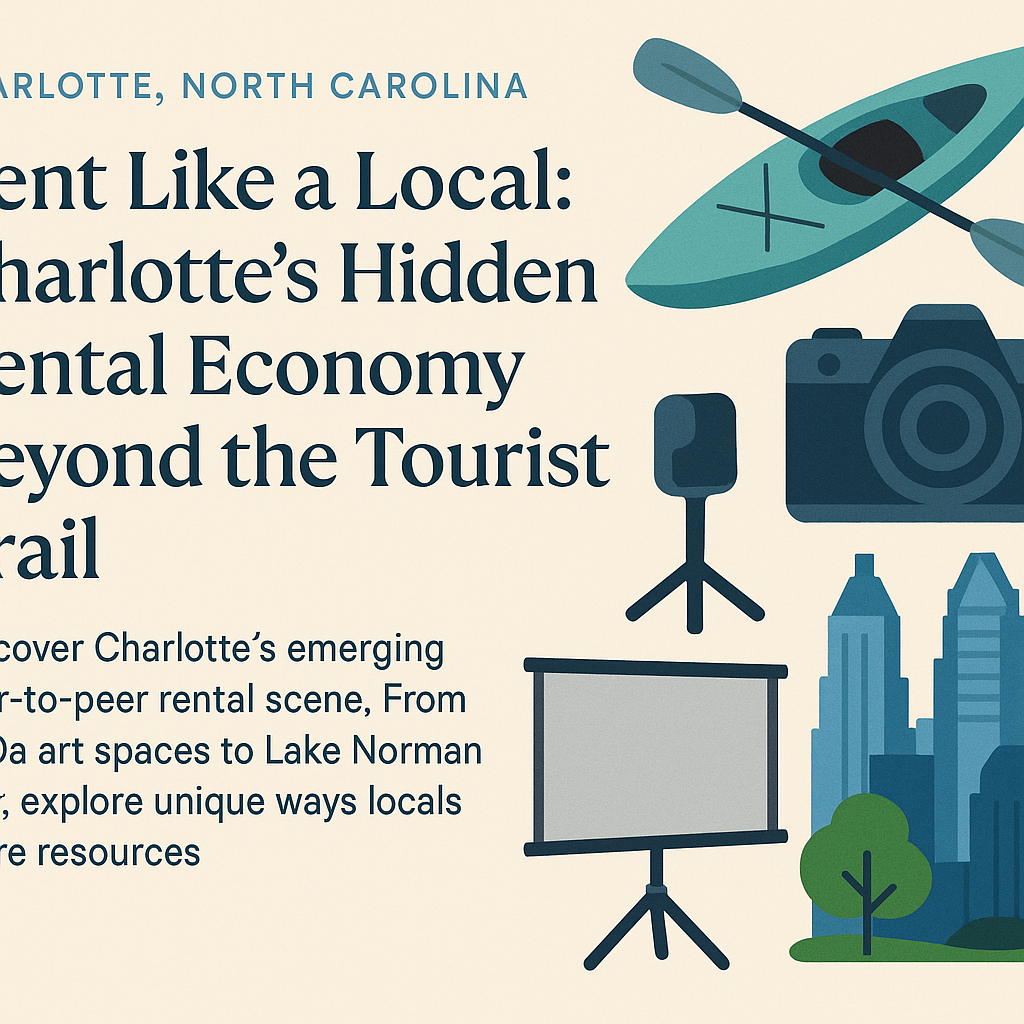
While most Charlotte guides point you toward the NASCAR Hall of Fame or Carowinds, something quieter is happening in neighborhoods like Plaza Midwood and Villa Heights. Residents are opening their garages, storage units, and spare rooms not just for Airbnb stays, but for a different kind of sharing economy. The city's peer-to-peer rental market has grown significantly, driven by people who'd rather borrow a kayak for Lake Norman than buy one, or rent a projector for a backyard movie night than let it collect dust after one use. This shift reflects Charlotte's practical Southern sensibility: why own what you only need occasionally? According to the NC STR Alliance, short-term rentals inject money directly into local neighborhoods rather than corporate chains, creating a more distributed economic benefit. Yoodlize taps into this community-minded approach, connecting people who have gear with those who need it temporarily, turning Charlotte's 20-acre farm estates and urban bungalows into resource hubs.
The Lake Norman Equipment Exchange
Lake Norman isn't just Charlotte's water playground; it's become an unintentional testing ground for peer-to-peer rentals. With over 520 miles of shoreline spanning multiple towns, the lake attracts weekend warriors who need paddleboards, fishing gear, and water skis but lack storage space in their South End apartments. Local rental listings reveal a pattern: residents near the lake are monetizing their boat slips and water equipment during weeks they're not using them. One Mooresville property owner rents out kayaks and paddleboards to visitors staying in nearby vacation homes, creating a micro-economy around seasonal water access. The Visit North Carolina tourism site promotes Lake Norman as a year-round destination, but doesn't mention that locals have quietly built their own rental infrastructure. During spring and fall when temperatures hover in the comfortable 60s and 70s, demand peaks for outdoor equipment. Rather than every visitor buying gear for a weekend trip, platforms like Yoodlize enable efficient resource sharing. A paddleboard that might sit unused 300 days a year instead circulates through a dozen renters, each paying a fraction of retail cost while the owner covers storage and maintenance expenses.
NoDa's Creative Equipment Underground
North Davidson's reputation as Charlotte's arts district extends beyond galleries and live music venues. The neighborhood has quietly become a hub for creative equipment rentals, where photographers, musicians, and artists share expensive gear they can't justify owning full-time. Unlike the polished rental shops in Uptown, this is peer-to-peer sharing among neighbors who understand the financial reality of creative work. A professional camera rig that costs $3,000 might get rented out 15 times a year by a NoDa resident, generating income while helping emerging photographers afford equipment for client shoots. The same pattern appears with audio equipment, lighting setups, and even portable art display systems used at the neighborhood's frequent gallery openings. This informal economy thrives because NoDa residents tend to know each other, creating trust networks that make peer-to-peer transactions smoother. The area's walkability means renters can often pick up gear without driving across the city. According to local rental data, creative equipment in NoDa changes hands more frequently than in any other Charlotte neighborhood, suggesting a distinct subculture of resource sharing. Yoodlize formalizes these transactions, adding insurance and payment protection while maintaining the community feel that makes NoDa's creative scene work.
Dilworth's Lawn Equipment Cooperative
Dilworth's tree-lined streets and historic bungalows create a postcard-perfect neighborhood, but they also generate constant yard maintenance needs. Rather than every homeowner storing a full arsenal of lawn equipment, residents have developed an informal rental rotation. Power washers, aerators, hedge trimmers, and specialty tools circulate through the neighborhood based on seasonal needs. In spring, demand surges for dethatchers and overseeding equipment. Summer brings requests for pressure washers to clean driveways before family gatherings. Fall means leaf blowers and mulchers. This pattern reflects Dilworth's demographic: homeowners who value their properties but recognize the inefficiency of owning rarely-used equipment. One resident calculated that renting a power washer three times a year through a neighbor costs less than buying one that would sit unused in a garage taking up valuable space. The City of Charlotte doesn't track peer-to-peer equipment sharing, but neighborhood Facebook groups reveal the scale. Dilworth residents routinely post gear availability, creating an organic rental marketplace. Yoodlize brings structure to this existing behavior, handling scheduling conflicts and payment logistics while letting neighbors continue helping neighbors. The platform also expands access beyond immediate social circles, allowing renters to discover equipment they didn't know was available.
University City's Student Gear Cycle
Near UNC Charlotte, a different rental economy has emerged around the academic calendar. Students need furniture, electronics, and recreational equipment for nine months, then leave for summer. Rather than buying and discarding, many now rent from local residents who've built small businesses around this predictable cycle. Mini fridges, futons, bikes, and camping gear circulate through student housing complexes with remarkable efficiency. The pattern extends to parents visiting for graduation or parents' weekend, who need temporary furniture for off-campus apartments. Local homeowners near the university have recognized this opportunity, converting spare bedrooms into rental storage and listing items on peer-to-peer platforms. The economics make sense for everyone: students avoid moving costs and storage fees, while equipment owners generate income from assets that would otherwise sit idle. According to rental activity data, University City sees distinct spikes in September and January when students return, then again in May around graduation. Summer months bring different renters, often visiting families and conference attendees. This year-round but variable demand makes traditional rental shops impractical, but peer-to-peer platforms like Yoodlize thrive because individual owners can adjust availability based on their schedules. A resident might rent out a bike rack in spring, then switch to offering a portable grill for summer tailgating season.
The Treehouse Economy: Unique Stays Driving Gear Rentals
Charlotte's vacation rental market has spawned an unexpected secondary economy around experience enhancement. Guests booking treehouses in Concord or lakeside cottages near Mooresville often need equipment to maximize their stay. They're not looking for hotel amenities but rather gear that transforms a weekend rental into an adventure. Fire pit supplies, outdoor games, fishing equipment, and photography gear top the request lists. Property owners have responded by either stocking equipment themselves or connecting guests with local rental sources. This creates opportunities for nearby residents to monetize outdoor gear they already own. Someone with kayaks can serve multiple vacation rental properties within a 10-mile radius, delivering and picking up equipment on a schedule that works around their own usage. The vacation rental management data shows Charlotte's STR market maintains steady occupancy year-round, unlike more seasonal destinations. This consistency means gear rental demand doesn't spike and crash but rather provides reliable supplemental income for equipment owners. A resident with a quality telescope, for instance, can rent it to guests at rural properties specifically chosen for stargazing. Yoodlize facilitates these connections, allowing vacation rental hosts to recommend specific gear from verified local owners, creating a more authentic Charlotte experience than generic hotel stays provide.
Charlotte's rental economy exists in the spaces between traditional commerce and community exchange. It's neighbors helping neighbors, residents monetizing underused assets, and visitors accessing authentic local resources rather than corporate inventory. From Lake Norman's waterfront equipment to NoDa's creative tools, these peer-to-peer transactions reshape how people experience the city. Yoodlize doesn't create this economy but rather organizes and protects it, adding structure to existing community instincts. Whether you're a Charlotte resident with gear gathering dust or a visitor seeking authentic experiences beyond tourist attractions, the platform connects supply with demand in ways that benefit everyone involved. Browse available rentals in Charlotte and discover what your neighbors are sharing.
.png)