
.png)
Uncovering Salt Lake City's Hidden Urban Treasures: Neighborhood Gems and Local Rental Solutions
2026-02-13

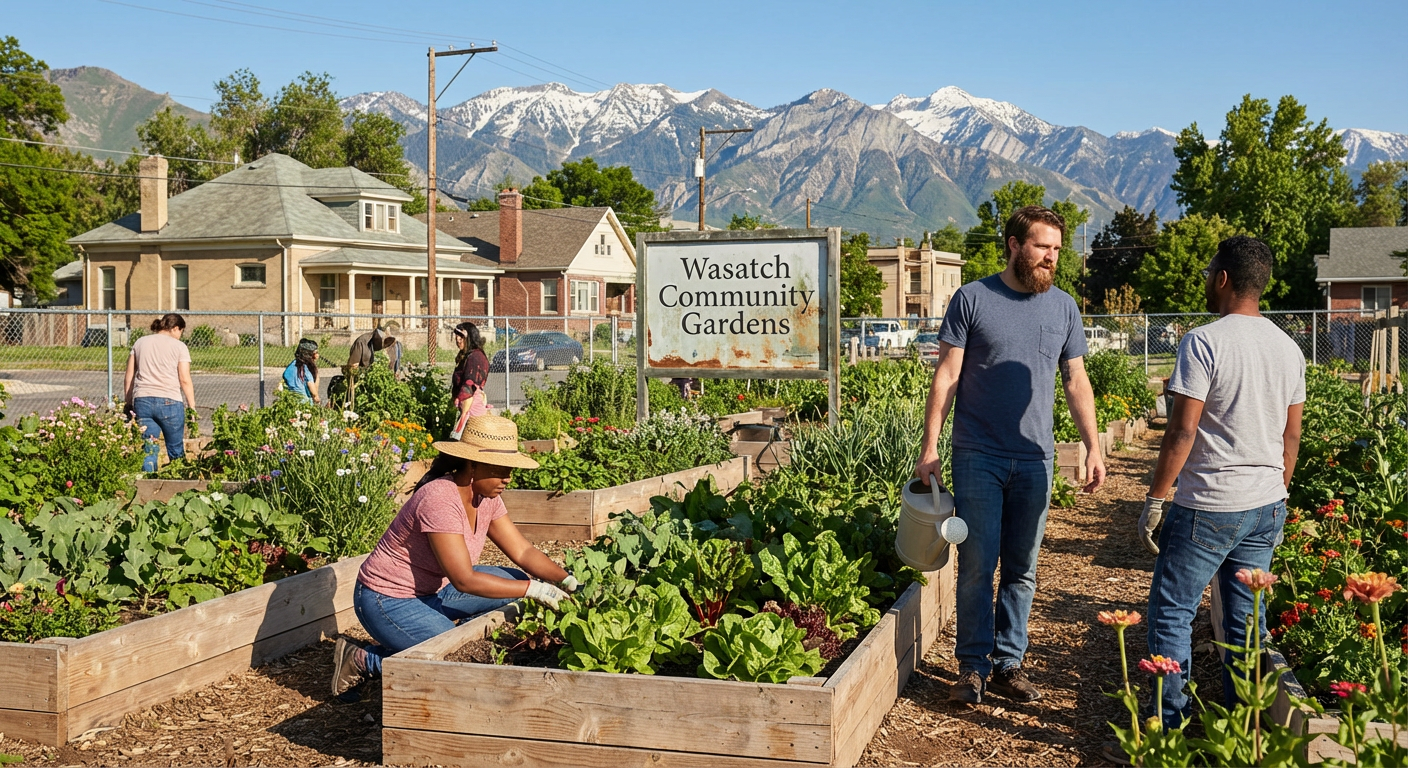
Salt Lake City reveals its true character through its vibrant neighborhoods and urban spaces that often remain hidden from visitor itineraries. Beyond the shadow of the https://visitsaltlake.com/things-to-do/outdoors/wasatch-mountains/' target'blank'>Wasatch Mountains lies a tapestry of community gardens, neighborhood markets, and creative collectives that showcase the city's evolving identity. These urban treasures offer authentic experiences for both residents and visitors seeking to connect with Salt Lake's contemporary culture. Rather than investing in equipment you'll only use occasionally, discover how the https://www.yoodlize.com' target'blank'>peer-to-peer rental marketplace is transforming how locals and visitors alike access specialized gear for exploring these neighborhood gems.
Urban Gardens and Green Spaces: Salt Lake's Living Laboratories
Salt Lake City's community-driven green spaces serve as both urban sanctuaries and social hubs. The https://wasatchgardens.org/community-gardens/' target'blank'>Wasatch Community Gardens network has transformed vacant lots into productive growing spaces where residents cultivate everything from heritage vegetables to native pollinator plants. These gardens function as living laboratories where urban agriculture techniques are tested and shared. The 9th and 9th district's hidden pocket parks offer intimate gathering spaces designed and maintained by neighborhood volunteers. For those interested in urban foraging, the city's fruit gleaning initiatives map publicly accessible fruit trees throughout residential areas, allowing for seasonal harvesting adventures. Exploring these spaces offers insight into Salt Lake's commitment to sustainability and community resilience. https://www.yoodlize.com/search?categorycameras' target'blank'>Capture these urban oases with professional photography equipment available for rent through local peer-to-peer platforms, allowing you to document these spaces without investing in expensive gear you might only use occasionally.
Neighborhood Arts Collectives: Creative Enclaves Beyond Gallery Stroll
While the monthly https://www.visitslc.com/events/gallery-stroll' target'blank'>Gallery Stroll draws attention to established art venues, Salt Lake's most innovative creative work often happens in neighborhood collectives operating outside traditional exhibition spaces. The https://www.saltlakecityarts.org/granary-district' target'blank'>Granary District has emerged as an incubator for experimental art practices, with warehouse studios hosting everything from sound art installations to textile workshops. The Sugar House maker spaces provide access to specialized equipment for community members working in ceramics, printmaking, and digital fabrication. These collectives frequently host skill-sharing workshops where visitors can learn techniques from practicing artists. Many spaces welcome drop-in participants, though some require advance registration. For those inspired to try new creative techniques, https://www.yoodlize.com/search?categoryart-equipment' target'blank'>renting specialized equipment offers a low-risk way to experiment without committing to purchases. Local rental platforms now connect artists with everything from pottery wheels to digital projectors, making creative exploration more accessible.
Architectural Heritage: Exploring Salt Lake's Vernacular Buildings
Beyond the iconic https://www.churchofjesuschrist.org/temples/details/salt-lake-temple' target'blank'>Temple Square lies Salt Lake's rich architectural heritage expressed through vernacular buildings that tell the story of the city's development. The https://historicsaltlake.org/neighborhoods/central-ninth/' target'blank'>Central Ninth district preserves examples of early 20th century worker cottages, many now thoughtfully adapted into small businesses while maintaining their historical character. The Marmalade neighborhood features distinctive homes built with locally-sourced materials that showcase regional building traditions. Urban exploration groups regularly organize walking tours focusing on these overlooked architectural gems, providing context about construction techniques and historical significance. For architecture enthusiasts wanting to document these structures, https://www.yoodlize.com/search?categorycameras' target'blank'>specialized camera equipment with architectural lenses can be rented from local photographers through peer-to-peer platforms, eliminating the need to purchase expensive gear for occasional use.
Neighborhood Markets: Hyperlocal Commerce Beyond Downtown
Salt Lake City's neighborhood markets serve as vital community hubs where small-scale producers connect directly with customers. The https://www.slcfarmersmarket.org/liberty-park' target'blank'>Liberty Park Farmers Market operates with a focus on hyperlocal production, featuring vendors from within a 10-mile radius of the market site. The Rose Park Tool Library combines a community market with a lending program for garden and home improvement equipment. The Avenues' periodic night markets transform residential streets into vibrant commercial spaces where home-based businesses showcase their products. These markets emphasize direct relationships between makers and customers, creating economic ecosystems that keep resources circulating within neighborhoods. For vendors testing new product ideas, https://www.yoodlize.com/search?categorymarket-equipment' target'blank'>renting display equipment through local sharing platforms provides a low-risk way to experiment with market presentations without significant upfront investment.
Urban Foraging: Seasonal Harvests in the City Landscape
Salt Lake City's urban landscape offers surprising opportunities for seasonal foraging that connect residents with local food systems. The city's extensive fruit tree inventory maps publicly accessible apple, pear, and plum trees throughout residential neighborhoods, many planted during the early settlement period. https://wasatchgardens.org/urban-agriculture/' target'blank'>Community gleaning groups organize harvesting events where volunteers collect surplus fruit that would otherwise go to waste. Beyond fruit trees, knowledgeable foragers find seasonal edibles like wild asparagus along irrigation ditches and elderberries in riparian areas. For those new to foraging, guided walks with experienced practitioners provide essential safety information and harvesting ethics. https://www.yoodlize.com/search?categoryoutdoor-tools' target'blank'>Specialized harvesting equipment like fruit pickers for tall trees and processing tools for preserving the harvest can be rented through neighborhood sharing networks, making seasonal abundance accessible without purchasing rarely-used equipment.
Community Skill-Sharing: Learning Through Local Knowledge Exchange
Salt Lake City's vibrant skill-sharing networks create opportunities for learning outside traditional educational institutions. The https://www.slcpl.org/community-programs' target'blank'>Fix-It Clinics held in community centers throughout the city connect people who need repairs with those who have technical skills, reducing waste while building community connections. Neighborhood cooking collectives preserve cultural food traditions through hands-on workshops where techniques are demonstrated and practiced together. Language exchange meetups in local cafes facilitate multilingual conversations where participants improve language skills through practical use rather than formal study. These knowledge-sharing initiatives build community resilience while making specialized skills more widely accessible. For those hosting skill-sharing events, https://www.yoodlize.com/search?categoryevent-equipment' target'blank'>equipment rental platforms provide access to teaching tools, demonstration materials, and documentation equipment without requiring permanent ownership of items that might only be used occasionally.
Salt Lake City reveals its most authentic character through these neighborhood treasures that showcase community creativity and resilience. By exploring beyond conventional tourist destinations, you'll discover the living city that residents experience daily. The https://www.yoodlize.com' target'blank'>peer-to-peer rental marketplace makes these explorations more accessible and sustainable, allowing both visitors and locals to access specialized equipment without unnecessary ownership. Whether you're documenting architectural heritage, participating in community gardens, or learning new skills, renting what you need when you need it connects you with both the tools and the community knowledge that make Salt Lake City's urban treasures accessible to everyone.
.png)