
.png)
Embracing Salt Lake City's Dual Seasons: Transitioning from Winter to Spring Adventures (Plus What to Rent)
2026-02-02

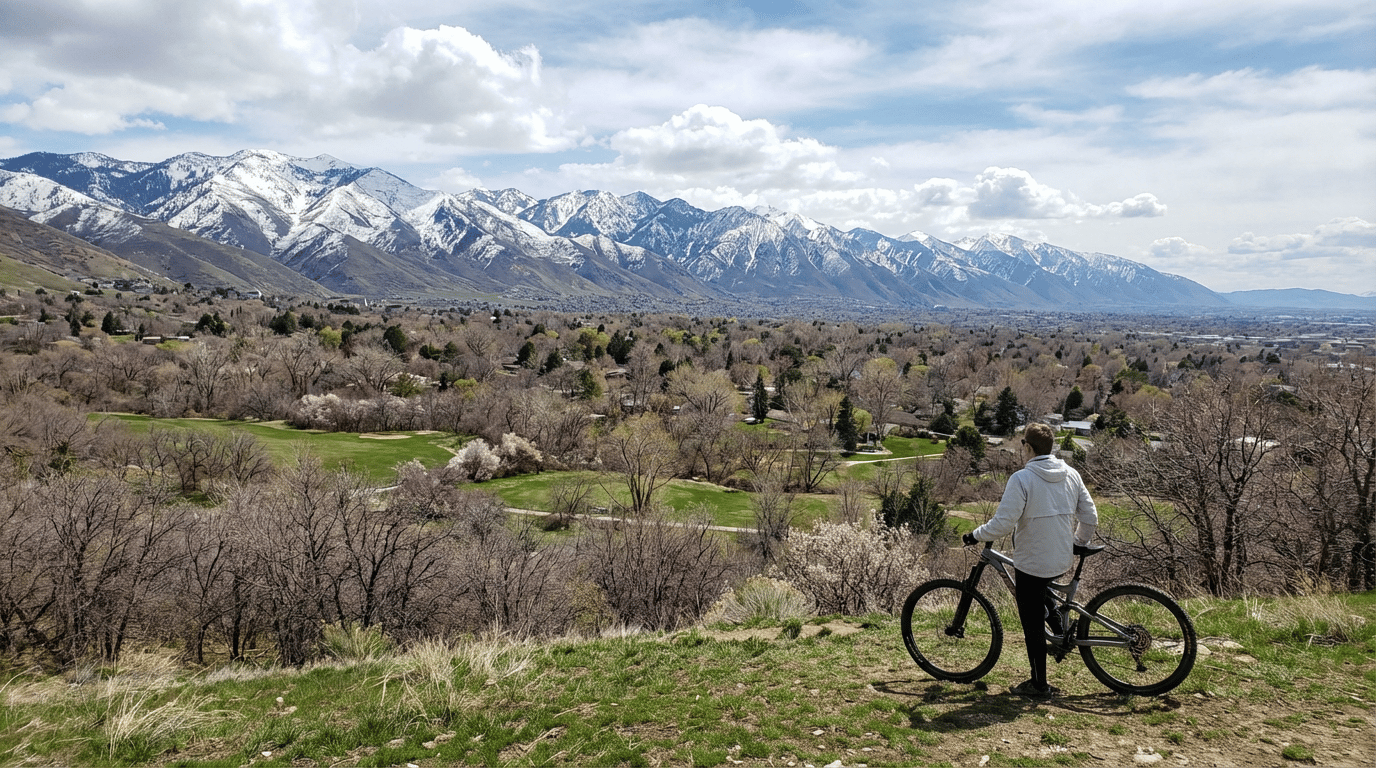
Salt Lake City sits at a fascinating crossroads right now, where winter's grip is loosening but spring hasn't fully arrived. This transition period creates a unique opportunity for locals and visitors alike to experience the best of both seasons. While the [Wasatch Front](https://visitsaltlake.com/things-to-do/outdoors/wasatch-mountains/) might still offer late-season skiing opportunities, the valley is warming up for spring activities. Instead of investing in expensive gear for these fleeting seasonal moments, Salt Lakers are increasingly turning to peer-to-peer rentals. Why purchase equipment you'll use for just a few weeks when you can access exactly what you need through local rentals? This guide explores the distinctive activities available during this shoulder season and connects you with the gear you can borrow rather than buy.
Salt Lake City's Microclimate Adventures
One of Salt Lake City's most distinctive features is its dramatic elevation changes within a short geographic distance. This creates microclimates that allow for both winter and spring activities simultaneously. While snow might still blanket the upper elevations of [Big and Little Cottonwood Canyons](https://skiutah.com/destinations/big-cottonwood-canyon), the foothills and valley floor can be experiencing early spring conditions. This phenomenon creates a rare opportunity to potentially ski in the morning and [mountain bike](https://yoodlize.com/search?qmountain%20bike) in the afternoon during this transition period. According to the [National Weather Service](https://www.weather.gov/slc/), temperature differences between the valley and mountains can exceed 20 degrees during this seasonal shift. For those looking to take advantage of these diverse conditions, renting specialized equipment makes far more sense than purchasing gear for potentially limited use.
Last Chance Winter: Backcountry Snowshoeing in the Wasatch
While resort skiing winds down, the higher elevations of the [Wasatch Range](https://www.fs.usda.gov/uwcnf/) still hold snow for backcountry adventures. The Uinta-Wasatch-Cache National Forest offers numerous [snowshoeing](https://yoodlize.com/search?qsnowshoes) trails that remain viable into early spring. Silver Lake and Donut Falls trails in Big Cottonwood Canyon provide accessible terrain for beginners and intermediate snowshoers alike. These locations offer the perfect opportunity to experience winter's final moments before the thaw completely transforms the landscape. Before heading out, check current conditions with the [Utah Avalanche Center](https://utahavalanchecenter.org/) for safety advisories. For those who don't own snowshoes or winter hiking gear, renting provides an economical solution for these end-of-season excursions that might only be possible for a few more weeks.
Early Spring Climbing on the West-Facing Crags
As temperatures rise in the valley, west-facing rock climbing areas warm up first and dry out quickest after winter precipitation. Local climbers know that areas like the south and west faces of Ferguson Canyon and the lower sections of Little Cottonwood Canyon's Granite Boulders become climbable while other areas remain too cold or wet. According to the [Salt Lake Climbers Alliance](https://www.slcclimbers.org/), these transition weeks offer some of the most pleasant climbing conditions before summer heat arrives. The organization maintains updated access information on their website for various climbing areas around the city. For occasional climbers or those testing the waters of this activity, renting [climbing shoes](https://yoodlize.com/search?qclimbing%20shoes), crash pads, and other gear makes financial sense rather than investing hundreds in equipment that might see limited use.
Urban Cycling: The Jordan River Parkway Trail System
As valley temperatures consistently rise above 50 degrees, Salt Lake City's extensive urban trail system becomes increasingly appealing. The [Jordan River Parkway Trail](https://www.slc.gov/parks/jordan-river-parkway/) offers over 40 miles of paved pathways connecting multiple parks and natural areas throughout the Salt Lake Valley. This trail system provides an excellent opportunity for family cycling, running, or casual walks while observing spring's arrival in the urban ecosystem. The [Salt Lake City Parks Department](https://www.slc.gov/parks/) maintains updated trail conditions on their official website. For families or visitors who didn't bring bikes to Salt Lake City, renting [bicycles](https://yoodlize.com/search?qbicycle) for a day of exploration costs significantly less than purchasing new bikes, especially for growing children who might need different sizes each season.
Birdwatching at the Great Salt Lake Shorelands Preserve
The transition from winter to spring marks the beginning of migration season at the [Great Salt Lake](https://www.nature.org/en-us/get-involved/how-to-help/places-we-protect/great-salt-lake-shorelands-preserve/), one of North America's most important bird habitats. The Nature Conservancy's Great Salt Lake Shorelands Preserve offers boardwalks and observation towers perfect for witnessing this spectacular natural phenomenon. According to the [Utah Division of Wildlife Resources](https://wildlife.utah.gov/), over 250 species of birds use the Great Salt Lake ecosystem during their annual migrations, with peak activity occurring during this seasonal transition. The preserve's visitor center provides updated information on recent sightings and species to watch for. Quality [binoculars](https://yoodlize.com/search?qbinoculars) and [spotting scopes](https://yoodlize.com/search?qspotting%20scope) can be expensive investments for casual birdwatchers, making rental options particularly attractive for those who may only pursue this activity occasionally or seasonally.
Spring Photography in Antelope Island State Park
Antelope Island State Park transforms during the winter-to-spring transition, with dramatic skies, potential wildlife sightings, and the contrast of remaining snow against emerging greenery. The island's bison herd, pronghorn antelope, and diverse bird populations become more active as temperatures rise. According to [Utah State Parks](https://stateparks.utah.gov/parks/antelope-island/) rangers, early spring offers some of the most dramatic lighting conditions for photography, with fewer visitors than summer months. The park's website provides updated road conditions and wildlife sightings to help plan your visit. Professional-grade [camera equipment](https://yoodlize.com/search?qcamera) can cost thousands of dollars, making camera and lens rentals an excellent option for photography enthusiasts who want to capture this seasonal transition without making a major investment in specialized gear they might use infrequently.
Salt Lake City's position between winter and spring creates a unique window of opportunity for outdoor enthusiasts to experience diverse activities within a short timeframe and geographic area. Rather than investing in expensive equipment for these transitional adventures, consider the practical and economical advantages of renting exactly what you need, when you need it. The peer-to-peer rental marketplace has transformed how locals approach seasonal activities, allowing for more spontaneity and experimentation without the commitment of ownership. Whether you're a resident looking to try something new or a visitor wanting to experience Salt Lake City's distinctive seasonal transition, renting gear connects you with authentic local experiences while supporting the community's sharing economy.
.png)