
.png)
Uncovering San Antonio's Urban Wilderness: Outdoor Adventures Beyond the Tourist Trail
2026-02-10

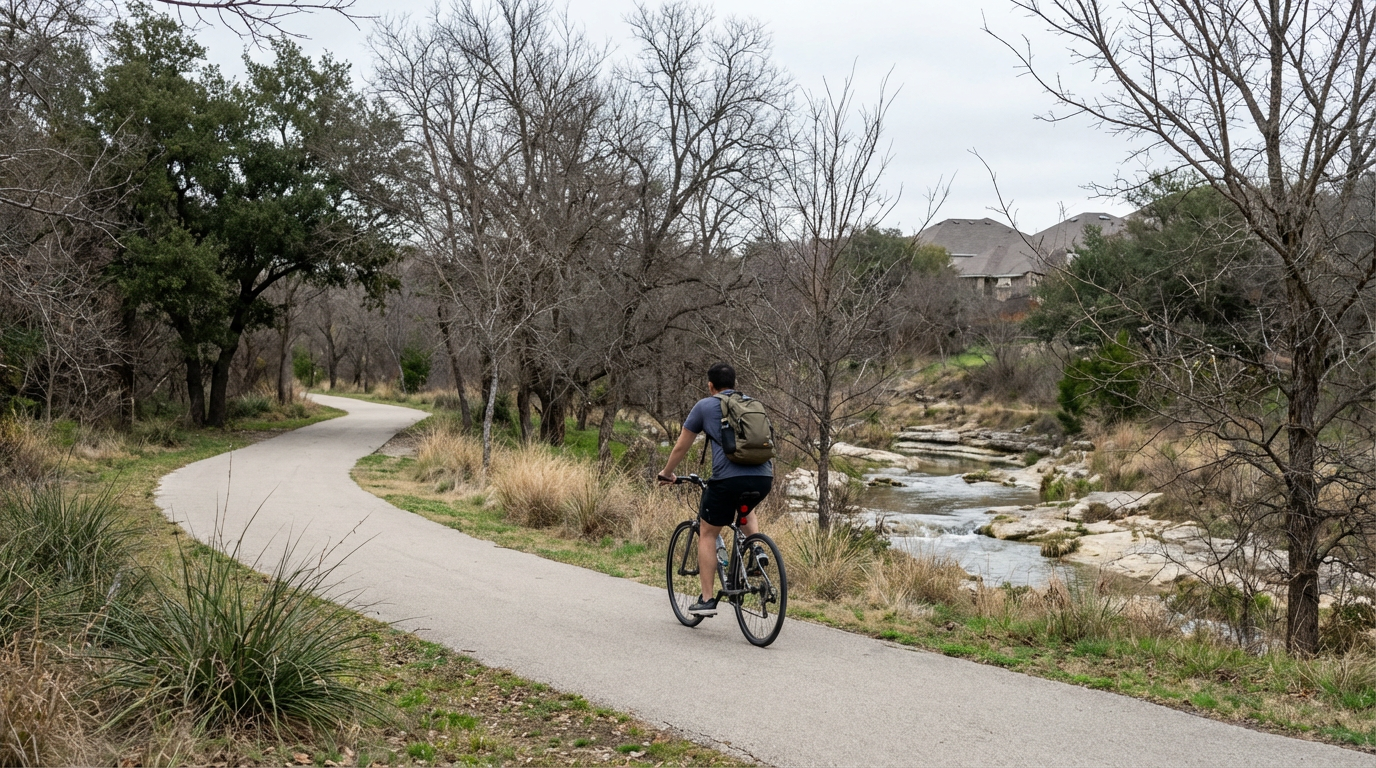
San Antonio reveals a different side when you venture beyond the familiar tourist paths. While the [River Walk](https://www.visitsanantonio.com/things-to-do/river-walk) draws millions, locals know the true character of the city lies in its urban wilderness areas, neighborhood green spaces, and the seasonal rhythms that shape daily life. As weather patterns shift across Texas, bringing everything from warm spells to unexpected rain, having the right gear becomes essential for outdoor exploration. Rather than investing in equipment you'll use occasionally, connecting with local gear owners through [Yoodlize](https://yoodlize.com) offers both practical savings and authentic insights into how San Antonians actually experience their city.
San Antonio's Urban Wilderness Corridors
[San Antonio](https://www.sanantonio.gov) has been quietly developing an extensive network of urban wilderness corridors that connect neighborhoods to natural spaces while preserving ecological habitats. The [Howard W. Peak Greenway Trail System](https://www.sanantonio.gov/ParksAndRec/Trails/TrailSystem) now spans over 80 miles, with segments that wind through former industrial zones, alongside creeks, and through patches of native Texan landscape. These trails offer a completely different perspective on the city compared to downtown attractions. The [Salado Creek Greenway](https://www.sanantonio.gov/ParksAndRec/Trails/SaladoCreekGreenway) in particular provides miles of paved and natural surface trails perfect for cycling, running, or nature photography. Unlike the crowded tourist areas, these greenways attract primarily locals and offer genuine wildlife viewing opportunities including deer, armadillos, and over 250 bird species that migrate through the region. What to Rent for Urban Wilderness Exploration: Quality binoculars for wildlife spotting along the greenways All-terrain bikes suitable for both paved and natural surface trails Waterproof daypacks for carrying essentials during unpredictable weather Local Insight: The Leon Creek Greenway section near [Valero Trailhead](https://www.traillink.com/trail/leon-creek-greenway/) becomes particularly active with wildlife at dawn and dusk, especially after rain when the landscape temporarily transforms.
Neighborhood Creek Explorations
Beyond the mainstream waterways, San Antonio's neighborhood creeks offer intimate outdoor experiences that reveal the city's geological and ecological diversity. These smaller waterways like Martinez Creek, Alazan Creek, and Olmos Creek flow through residential areas and provide natural corridors that locals use for recreation. After rainfall, these typically modest creeks can transform dramatically, creating temporary rapids and revealing limestone formations normally hidden beneath the surface. Local kayakers and paddleboarders monitor water levels closely to catch these brief windows of opportunity. What to Rent for Creek Adventures: Inflatable paddleboards or packable kayaks that can be easily transported to creek access points Waterproof cameras or phone cases for documenting unique limestone formations Quick-dry water shoes with good grip for navigating slippery creek beds Seasonal Consideration: February through April typically brings the most consistent rainfall to San Antonio, making this the prime season for exploring the transformed creek systems. The [Weather.com](https://weather.com/forecast/regional/video/weekend-storm-rain-storms-snow-ice-south-east-0) weekend forecast indicates another storm system moving through, potentially creating ideal conditions for creek exploration.
Neighborhood Farmers Markets and Urban Foraging
San Antonio's neighborhood farmers markets have evolved beyond simple produce stands into community gathering spaces where locals exchange knowledge about urban agriculture and seasonal harvesting. The [Pearl Farmers Market](https://www.pearldistrict.org/farmers-market) remains the most well-known, but smaller neighborhood markets like the [Legacy Farmers Market](https://www.legacymarket.com) and the South San Antonio Farmers Market offer more authentic connections to local growers. These markets serve as informal education centers where residents learn about native edible plants, seasonal growing patterns, and sustainable harvesting techniques. Some local foraging groups organize guided walks through public green spaces to identify edible native plants like prickly pear, mesquite beans, and Texas persimmons. What to Rent for Urban Agriculture Exploration: Portable coolers or insulated bags for transporting fresh produce and foraged items Specialized harvesting tools for collecting prickly pear or other native edibles Digital scales for weighing market purchases or foraged items Community Connection: Many neighborhood markets feature skill-sharing workshops where residents can learn techniques like seed saving, food preservation, and identification of edible native plants. These workshops typically increase during seasonal transitions when different crops become available.
Neighborhood Art Walks and Cultural Districts
San Antonio's cultural landscape extends far beyond the tourist-centered areas into vibrant neighborhood art districts where local creators display work reflecting the city's diverse heritage. Areas like [Southtown](https://visitsanantonio.com/things-to-do/arts-culture/southtown), Lone Star, and the emerging Westside arts district feature ever-changing outdoor installations, murals, and pop-up exhibitions. These neighborhood art corridors often incorporate elements of the natural environment, with installations designed to interact with seasonal changes in light, vegetation, and weather patterns. Local photographers track these interactions, documenting how the artwork transforms throughout the year. What to Rent for Art District Exploration: Professional camera equipment for capturing murals and installations in changing light conditions Portable seating for attending outdoor performances or sketching sessions Audio recording equipment for capturing neighborhood soundscapes or oral histories Cultural Calendar: February marks the beginning of increased outdoor art programming in San Antonio as temperatures moderate. The coming weeks typically feature more frequent gallery openings, street performances, and outdoor installation unveilings across neighborhood art districts.
Neighborhood Cycling Routes
While San Antonio has developed dedicated cycling infrastructure, locals have created informal neighborhood routes that connect residential areas, green spaces, and cultural destinations through less-trafficked streets. These "neighborhood greenways" offer cyclists a more intimate experience of the city's architectural diversity and seasonal transformations. The [Mission Reach](https://www.visitsanantonio.com/things-to-do/river-walk/mission-reach) section of the River Walk provides a starting point for exploring the historic missions, but branching off into adjacent neighborhoods reveals hidden pocket parks, community gardens, and local businesses that rarely appear in tourist guides. Residents have mapped dozens of these routes, sharing them through community cycling groups and neighborhood associations. What to Rent for Neighborhood Cycling: Comfortable cruiser bikes ideal for casual neighborhood exploration Bike trailers for transporting farmers market purchases or picnic supplies Navigation devices with downloadable community-created route maps Local Knowledge: San Antonio's relatively flat topography makes neighborhood cycling accessible for most fitness levels, though the Texas sun demands consideration even in winter months. February typically offers ideal cycling conditions with moderate temperatures and lower humidity before the summer heat arrives.
Seasonal Weather Patterns and Outdoor Planning
San Antonio's climate creates distinct outdoor experience windows that locals plan around carefully. February typically marks a transition period when cold fronts become less frequent but can still bring dramatic temperature swings and precipitation. According to [Weather.com](https://weather.com/forecast/regional/video/weekend-storm-rain-storms-snow-ice-south-east-0), the coming weekend forecast includes a storm system that will affect the eastern two-thirds of the country, potentially bringing rain to the San Antonio region. These weather patterns create unique outdoor opportunities that require specific gear and preparation. After rainfall, ephemeral waterfalls appear in limestone formations throughout the [Hill Country](https://www.texas.gov/travel/hill-country) surrounding San Antonio. Local outdoor enthusiasts monitor precipitation forecasts closely to catch these temporary natural features. What to Rent for Weather-Dependent Adventures: Weather-appropriate outerwear that can adapt to rapid temperature changes Waterproof gear for exploring post-rainfall features like temporary waterfalls Portable weather monitoring devices for tracking conditions during outdoor activities Meteorological Insight: San Antonio's position at the edge of multiple climate zones creates highly localized weather patterns. Areas just 10-15 miles apart can experience significantly different conditions, making local knowledge and proper equipment essential for outdoor planning.
San Antonio reveals its most authentic character through these neighborhood-level outdoor experiences that shift with the seasons and weather patterns. By connecting with local gear owners through [Yoodlize](https://yoodlize.com), you gain not just equipment but valuable insights into how residents actually experience and interact with their city's natural and cultural landscapes. This approach to exploration—focused on urban wilderness corridors, neighborhood waterways, community markets, and local art districts—offers a more genuine understanding of San Antonio's character than any tourist itinerary could provide. As weather patterns continue to evolve through February and into spring, having access to appropriate gear through peer-to-peer rentals allows for spontaneous adventures without the commitment of ownership, perfectly aligned with the flexible, community-oriented spirit that defines San Antonio beyond the tourist trail.
.png)