
.png)
The Underground Culture of New York City: Insider Experiences and What to Rent This Summer (2026)
2026-02-05

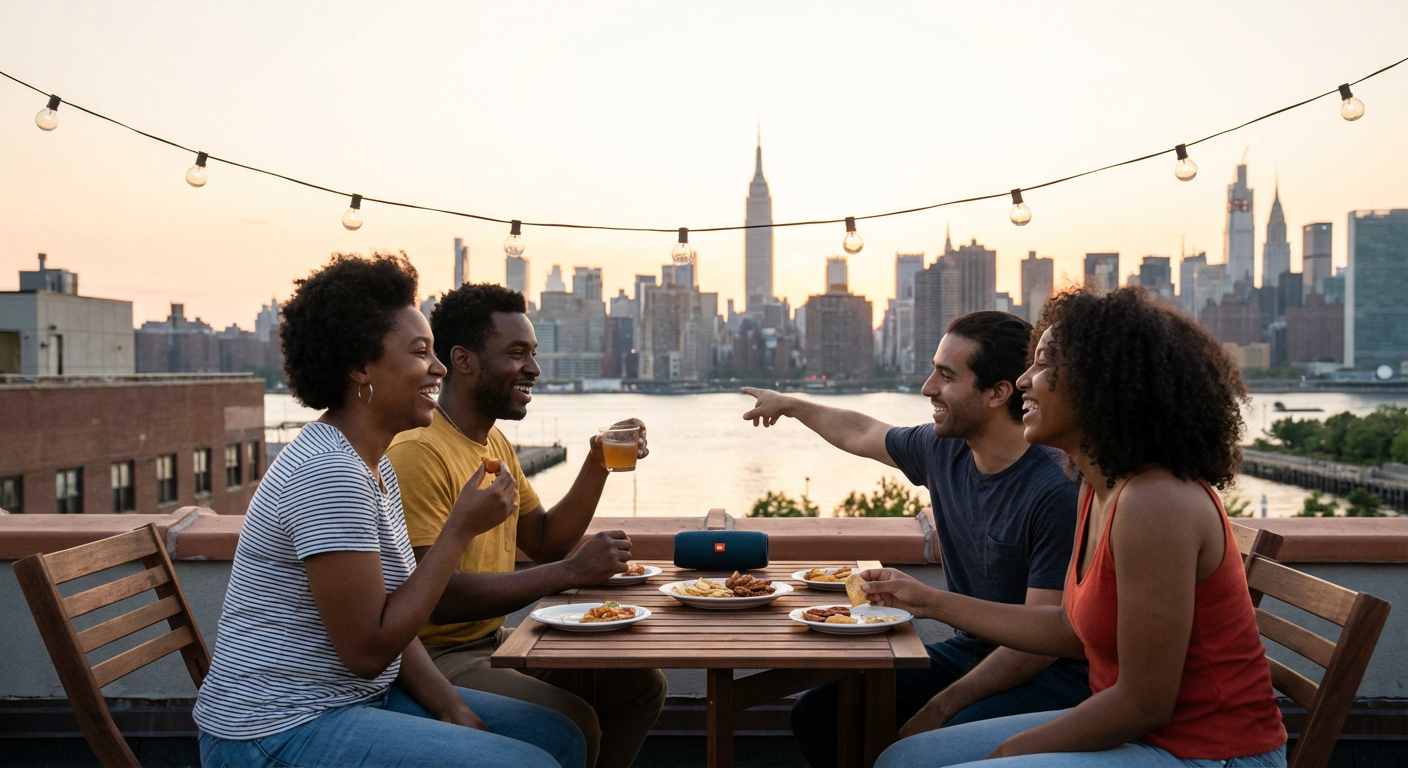
New York City in summer 2026 pulses with energy that extends far beyond the well-trodden tourist paths. While millions visit the Empire State Building and Central Park, the city's true heartbeat is found in its vibrant community-driven cultural experiences—the block parties that transform Brooklyn streets, the impromptu rooftop gatherings where Manhattan's skyline becomes the backdrop for intimate conversations, and the community arts initiatives breathing new life into overlooked neighborhoods. These authentic experiences reveal a New York that belongs to its residents rather than its postcard image. This guide explores the cultural undercurrents that define the real New York experience, with practical suggestions for participating in these moments and what you can rent to enhance them without the burden of ownership in a city where storage space comes at a premium.
Community-Driven Cultural Experiences at a Glance
| Experience | Best Time | What to Rent | Why It's Worth It | ||||| | Rooftop Gatherings | Evening, June-August | Portable Bluetooth Speaker | Experience Manhattan's skyline with your own soundtrack | | Community Art Walks | Weekends, All Summer | Photography Equipment | Document emerging artists and street art | | Neighborhood Block Parties | Saturdays, July-August | Party Equipment | Participate in authentic local celebrations | | Guerrilla Gardens | Morning/Evening, All Summer | Gardening Tools | Connect with urban agriculture movements | | DIY Film Screenings | After Sunset, June-September | Projector & Screen | Create pop-up cinema experiences in unusual spaces | | Underground Music Showcases | Nights, Year-round | Audio Recording Gear | Capture performances in intimate venues |
The Rise of DIY Rooftop Culture
New York's rooftop culture has evolved beyond commercial venues into a thriving DIY scene where residents transform ordinary rooftops into extraordinary gathering spaces. These aren't the crowded tourist rooftop bars but intimate settings where conversations flow as freely as the evening breeze across the Manhattan skyline. The NYC Department of Buildings reports over 1,000 legally accessible residential rooftops across the city, many becoming seasonal community hubs. For your own rooftop gathering, a portable Bluetooth speaker like the [JBL Flip 5](https://www.yoodlize.com/rentals/jbl-flip-5-14294) provides the perfect soundtrack without the hassle of ownership. With 12 hours of playtime and waterproof design, it's ideal for unpredictable summer weather and extended evening conversations. The speaker's compact size makes it easy to transport up those inevitable walk-up stairs, while its powerful sound fills the open air without disturbing neighbors. Remember that rooftop access regulations vary by building, so always check with your building management about specific policies before planning your gathering.
Community-Driven Art Walks Beyond Chelsea
While Chelsea's gallery district draws international art crowds, New York's most vibrant art experiences now happen in community-organized art walks through neighborhoods like Bushwick, Jackson Heights, and the South Bronx. These grassroots initiatives, often organized through local cultural organizations like the Bronx Arts Alliance and Queens Art Initiative, showcase emerging artists in unconventional spaces—from repurposed industrial buildings to community gardens and residential apartments turned weekend galleries. According to ArtNYC, over 300 community-organized art events occurred across the five boroughs last summer, with attendance increasing 40% year-over-year. These walks offer authentic engagement with local artists and neighbors, creating spontaneous conversations about the neighborhood's evolution and creative pulse. For these experiences, consider renting photography equipment to document the emerging talent and street art you'll encounter. Many of these artists are at the beginning of significant careers, and the street art is often temporary, making documentation valuable both personally and culturally.
Block Party Culture: The Heartbeat of New York Summers
New York's block parties represent one of the city's most authentic cultural traditions, with roots stretching back to the 1970s when communities would open fire hydrants and bring speakers onto the streets during summer heatwaves. Today, the NYC Street Activity Permit Office issues over 5,000 block party permits annually, with Brooklyn leading the count. These celebrations transform ordinary streets into vibrant community spaces where multiple generations gather, local food traditions are shared, and neighborhood histories are preserved through oral storytelling. The Brooklyn Borough President's Office highlights that neighborhoods like Bed-Stuy, Crown Heights, and Flatbush host some of the city's most culturally significant block parties, often featuring local musicians, community organizations, and food vendors who operate primarily within neighborhood boundaries. To fully participate in these authentic community gatherings, consider renting party equipment like portable tables, chairs, canopies, or games that bring people together. Block parties welcome participation rather than spectating, so bringing something to share—whether equipment, food, or simply your presence—helps sustain this vital cultural tradition.
Guerrilla Gardening and Urban Agriculture Movements
New York's relationship with urban green space extends far beyond its official parks through a network of community gardens, guerrilla gardening initiatives, and urban agriculture projects. The NYC Department of Parks & Recreation's GreenThumb program supports over 550 community gardens, but countless unofficial planting projects flourish in overlooked spaces throughout the five boroughs. Organizations like 596 Acres have helped communities identify and transform vacant lots, while the Brooklyn Grange operates the world's largest rooftop soil farms. These spaces serve as community anchors, providing fresh produce in food deserts and creating gathering spaces in densely built environments. According to the Design Trust for Public Space, community-managed open spaces in NYC provide over $1 billion in environmental services annually. To participate in this movement, consider renting gardening tools for volunteer days at established community gardens or to start your own container garden. Many community gardens welcome drop-in volunteers, particularly on weekend mornings, offering a unique way to connect with neighbors while contributing to the city's green infrastructure.
The Underground Film Scene: Beyond Commercial Theaters
New York's independent film culture thrives in unconventional venues—from warehouse rooftops to community gardens and repurposed industrial spaces. Organizations like Rooftop Films and the Queens World Film Festival have expanded beyond traditional theaters, while neighborhood-based film collectives organize screenings in community spaces throughout the five boroughs. The Mayor's Office of Media and Entertainment reports that over 300 independent film events occurred outside traditional venues last year, creating unique viewing experiences that connect filmmakers directly with local audiences. These screenings often highlight works by emerging local filmmakers and international directors whose work rarely reaches commercial theaters. To create your own screening event, consider renting a projector and screen. Summer evenings in New York provide the perfect backdrop for outdoor screenings, whether in a backyard, on a rooftop (with appropriate permissions), or in collaboration with a community garden or public space. Many neighborhoods welcome these cultural initiatives, particularly when they highlight local stories or provide free cultural programming in underserved areas.
Experiencing New York's Musical Underground
Beyond the major venues and mainstream concerts, New York's musical soul lives in its underground scene—basement jazz sessions in Harlem brownstones, experimental electronic performances in repurposed Brooklyn warehouses, and Dominican perico ripiao gatherings in Washington Heights apartments. These intimate settings create direct connections between musicians and audiences that large venues cannot replicate. According to the NYC Mayor's Office of Nightlife, the city hosts over 25,000 performances annually in spaces with capacities under 100 people, many operating through word-of-mouth networks rather than traditional promotion channels. For music enthusiasts, these venues offer opportunities to witness artistic development in real-time and participate in cultural moments that define the city's creative evolution. To fully engage with these experiences, consider renting audio recording equipment to document performances (always with permission from performers and venues). Many emerging artists welcome documentation that helps build their portfolios, while your recordings preserve cultural moments that often go undocumented in official archives.
A Day Immersed in New York's Underground Culture
Morning: Begin your day with a visit to a community garden in the East Village or Lower East Side, where many gardens host weekend morning volunteer sessions. The 6BC Botanical Garden and La Plaza Cultural often welcome drop-in volunteers and host morning tai chi or yoga sessions open to the public. Afternoon: Explore a neighborhood art walk in Bushwick or Ridgewood, where storefront galleries and artist studios open their doors on weekends. The Bushwick Open Studios event has expanded to monthly mini-events throughout summer 2026. Evening: Join a community dinner in a garden or public plaza—many neighborhoods host weekly community meals during summer months where residents share food and conversation. Night: Experience an underground music performance in a repurposed industrial space in Long Island City or Gowanus, where experimental musicians and electronic artists perform in intimate settings. Bring a [portable Bluetooth speaker](https://www.yoodlize.com/rentals/jbl-flip-5-14294) for the after-party gathering with new friends.
Frequently Asked Questions About New York's Underground Culture
How do I find out about underground events that aren't widely publicized? Follow neighborhood-specific social media accounts, community boards, and local cultural organizations. Many events are announced through Instagram, community WhatsApp groups, and physical flyers in neighborhood businesses. Are these underground events safe? Most community-organized events prioritize safety and inclusion. Use standard urban precautions, attend with friends when possible, and trust your instincts about spaces and situations. Do I need to be invited to participate in community events? Many community gardens, art walks, and block parties are explicitly open to the public and welcome participation. For more private gatherings, making connections through volunteer work or community organizations can lead to invitations. What's the etiquette for documenting underground events? Always ask permission before photographing people or recording performances. Many artists welcome documentation that helps promote their work, but respect the privacy of community spaces and participants. How can I contribute if I'm new to a neighborhood? Volunteering with community gardens, cultural organizations, or neighborhood improvement initiatives is the most direct way to connect authentically with communities and contribute meaningfully.
New York City's true character emerges through these community-driven cultural experiences that exist beyond tourist itineraries and commercial venues. By participating in block parties, community gardens, underground arts events, and neighborhood gatherings, you connect with the authentic pulse of the city and the diverse communities that give New York its unmatched creative energy. Renting equipment through Yoodlize allows you to fully engage with these experiences without the burden of ownership—particularly valuable in a city where apartment space is limited and mobility between neighborhoods is essential. As you explore the cultural undercurrents that define the real New York, you'll discover that the city's most meaningful experiences aren't found in guidebooks but in the spontaneous connections and community initiatives that transform ordinary streets, rooftops, and overlooked spaces into extraordinary cultural moments.
.png)