
.png)
Unlocking Houston's Hidden Gems: Unique Local Experiences and Smart Rental Solutions
2026-02-06

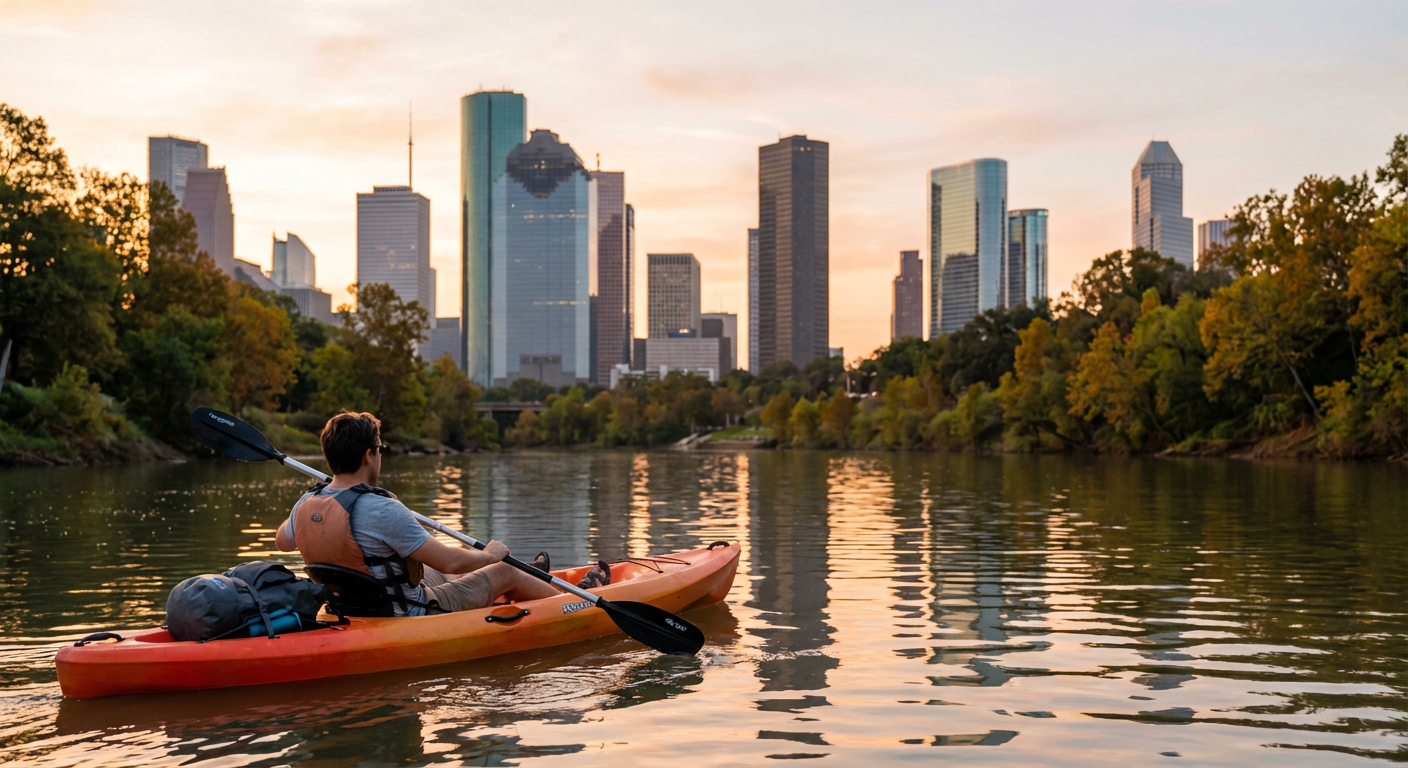
Houston defies easy categorization. While visitors might know about the [Space Center](https://spacecenter.org) or [Museum District](https://www.houstonmuseumdistrict.org), the real Houston reveals itself through its bayou networks, diverse neighborhoods, and vibrant cultural pockets that locals treasure. As temperatures moderate and the city transitions between seasons, Houstonians emerge to experience their city's unique blend of urban energy and natural beauty. Whether you're planning to paddle through [Buffalo Bayou](https://buffalobayou.org)'s urban wilderness, explore the city's thriving arts underground, or host a backyard crawfish boil in true Gulf Coast fashion, having the right equipment enhances these distinctly Houston experiences. Instead of investing in gear you'll use occasionally, [Yoodlize's peer-to-peer rental marketplace](https://yoodlize.com) connects you with local owners who have exactly what you need for your Houston adventure.
Navigating Houston's Urban Waterways
Houston's identity is intrinsically linked to its bayou system, with [Buffalo Bayou](https://buffalobayou.org) serving as the city's liquid spine. While tourists might glimpse these waterways from bridges, locals know that experiencing Houston from the water offers an entirely different perspective. The [Buffalo Bayou Park](https://buffalobayou.org/park/) stretches from downtown to Memorial Park, creating a 160-acre urban wilderness that reveals Houston's surprising biodiversity. The bayou's slow-moving waters are perfect for [paddleboarding](https://yoodlize.com/search?qpaddleboard) and [kayaking](https://yoodlize.com/search?qkayak), especially during morning hours when wildlife is active and the city's skyline emerges from the mist. Rather than purchasing equipment for occasional paddling adventures, consider renting. Kayaks and paddleboards typically cost $500-1,500 to buy but are available for a fraction of that cost as daily rentals. This approach not only saves money but eliminates storage challenges in Houston's apartment-heavy neighborhoods like [Montrose](https://www.visitmontrose.com/) and [Midtown](https://midtownhouston.com/). For the best experience, time your paddle for weekday mornings or evenings when the waterways are less crowded. The [Buffalo Bayou Partnership](https://buffalobayou.org/about/partnership/) recommends checking water quality reports after heavy rains, as Houston's bayous can experience temporary quality issues following storms. The [Buffalo Bayou Regatta](https://buffalobayou.org/events/), held annually in March, transforms these urban waterways into a festive race course if you're looking to join a community paddling event.
Exploring Houston's Underground Art Scene
Beyond the established [Museum District](https://www.houstonmuseumdistrict.org) lies Houston's thriving underground art scene, centered in neighborhoods like [EaDo](https://eadohouston.com/) (East Downtown), [Sawyer Yards](https://sawyeryard.com/), and the evolving [Fifth Ward](https://www.fifthwardhouston.com/). These areas host some of the city's most innovative galleries, studios, and installation spaces where local artists push boundaries. The [Second Saturday at Sawyer Yards](https://sawyeryard.com/events/) has become a monthly ritual for art enthusiasts, offering access to over 350 studios across multiple warehouses. Meanwhile, [Project Row Houses](https://projectrowhouses.org/) in Third Ward demonstrates how art can transform communities through its rotating installations in preserved shotgun houses. Capturing these vibrant spaces often requires proper photography equipment. While professional cameras can cost thousands, renting high-quality [camera gear](https://yoodlize.com/search?qcamera) for specific events makes financial sense for most enthusiasts. Additionally, if you're inspired to create your own art, consider renting specialized equipment like [projectors](https://yoodlize.com/search?qprojector) for multimedia installations or [power tools](https://yoodlize.com/search?qpower+tools) for sculptures rather than investing in rarely-used items. To fully experience Houston's art scene, venture beyond traditional gallery hours. The city comes alive during quarterly art crawls when multiple venues stay open late and often offer refreshments. Follow local arts organizations like [Fresh Arts](https://fresharts.org/) or [Houston Arts Alliance](https://www.houstonartsalliance.com/) on social media to discover pop-up exhibitions and underground performances that rarely make it into tourist guides.
Backyard Crawfish Boils: A Houston Tradition
When spring arrives in Houston, the city's Gulf Coast identity emerges through the beloved tradition of crawfish boils. From February through June, these casual gatherings transform backyards across diverse neighborhoods into social hubs where friends and family spend hours peeling mudbugs and sharing conversation. Hosting your own crawfish boil requires specialized equipment that most Houstonians only use seasonally. The centerpiece is a large propane burner with a pot big enough to handle multiple pounds of crawfish plus corn, potatoes, and sausage. Additional necessities include serving trays, outdoor tables, and proper waste management solutions. Renting this equipment makes particular sense given storage constraints and the seasonal nature of crawfish boils. A complete [crawfish boil setup](https://yoodlize.com/search?qcrawfish+boil+equipment) can cost upwards of $300 to purchase but is available for rent at a fraction of that price. This approach also allows hosts to scale their equipment based on guest count without committing to storage-intensive purchases. For authentic Houston flavor, local seafood markets like [Airline Seafood](https://www.airlineseafood.com/) or [H-E-B](https://www.heb.com/) grocery stores offer fresh crawfish during season. The traditional Houston-style boil incorporates Cajun seasoning, citrus, and often garlic, reflecting the city's multicultural culinary influences. Remember that crawfish yields are typically calculated at 3-5 pounds per person for a main course, and proper disposal of shells requires planning to avoid plumbing issues.
Urban Foraging in Houston's Diverse Ecosystems
Houston's subtropical climate creates unique foraging opportunities that change with the seasons. While not commonly highlighted in city guides, urban foraging has gained popularity among sustainability-minded Houstonians seeking connection with the city's natural abundance. The city's bayou corridors, parks, and even neighborhood green spaces host edible plants like dewberries (similar to blackberries) that appear in spring, wild persimmons that ripen in fall, and various edible mushrooms after rainy periods. Organizations like [Urban Harvest](https://www.urbanharvesthouston.org/) offer occasional workshops on identifying safe edible plants in Houston's specific ecosystem. Foraging expeditions require proper equipment for harvesting, carrying, and sometimes processing found items. Specialized [baskets](https://yoodlize.com/search?qforaging+basket), [pruning tools](https://yoodlize.com/search?qpruning+tools), field guides, and protective gear ensure both safety and sustainability. Since these tools might only be used occasionally, renting provides an economical alternative to purchasing. Houston's foraging community emphasizes responsible practices, including harvesting only abundant species, taking only what you'll use, and avoiding protected areas or private property. Local experts recommend beginning with easily identifiable plants like dewberries rather than mushrooms, which require more expertise to safely identify. The [Houston Arboretum & Nature Center](https://houstonarboretum.org/) occasionally offers guided walks that introduce participants to edible native plants while teaching sustainable harvesting techniques.
Neighborhood Bike Tours Beyond the Bayou Greenways
While Houston's expanding [Bayou Greenways](https://bayougreenways.org/) receive deserved attention, the city's most interesting cycling experiences often happen on neighborhood streets that reveal Houston's architectural diversity and cultural landscape. From the historic bungalows of the [Heights](https://www.heightshouston.com/) to the modernist treasures of [Riverside Terrace](https://www.houstonarchitecture.com/neighborhoods/riverside-terrace.php) (sometimes called the 'Black River Oaks'), these self-guided tours offer glimpses into Houston's evolution. The [Museum District](https://www.houstonmuseumdistrict.org/) and [Third Ward](https://thirdwardhtx.com/) border contains particularly rich architectural contrasts, with century-old churches alongside mid-century modern gems and contemporary structures. Similarly, cycling through neighborhoods like [Glenbrook Valley](https://www.houstonarchitecture.com/neighborhoods/glenbrook-valley.php) reveals Houston's exceptional collection of mid-century modern homes in what's been called 'the neighborhood of the future.' Rather than purchasing bikes that require maintenance and storage space, renting provides flexibility to choose the right bicycle for specific routes. [Road bikes](https://yoodlize.com/search?qroad+bike) work well for Houston's flat terrain, while bikes with wider tires might better handle older neighborhoods with uneven streets. For families, rental options include [child seats](https://yoodlize.com/search?qbike+child+seat) or [trailers](https://yoodlize.com/search?qbike+trailer) that would be expensive single-use purchases. Houston's ideal cycling seasons are spring and fall when temperatures moderate. Summer rides are possible but should be planned for early morning to avoid heat and humidity. The [Houston Bicycle Museum](https://houstonbicyclemuseum.org/) occasionally offers guided neighborhood tours that highlight architectural and historical points of interest beyond what standard tourist materials cover. For self-guided exploration, the [Rice Design Alliance](https://ricedesignalliance.org/) has published architectural guides to various Houston neighborhoods that can inform custom cycling routes.
Community Gardens and Urban Farming
Houston's year-round growing season has fostered a vibrant urban agriculture movement that transforms vacant lots and community spaces into productive gardens. Unlike northern cities with limited growing windows, Houston gardeners can cultivate something every month of the year, making it an ongoing activity rather than a seasonal hobby. Community gardens have emerged across diverse neighborhoods, from the [Westbury Community Garden](https://westburygardens.org/)'s seven acres to smaller plots in neighborhoods like [Independence Heights](https://independenceheights.org/) and [Sunnyside](https://www.sunnysidehouston.org/). These spaces not only produce food but serve as community hubs where knowledge is exchanged across cultural and generational lines. Gardening requires specialized tools that vary by season and project. Spring soil preparation needs different equipment than fall harvesting or winter bed maintenance. Renting these tools as needed makes financial sense, particularly for occasional gardeners or those with limited storage. Equipment like [tillers](https://yoodlize.com/search?qtiller), specialized [pruning tools](https://yoodlize.com/search?qpruning+tools), or bed-building supplies might only be used once or twice yearly, making them ideal rental candidates. For newcomers to Houston gardening, [Urban Harvest](https://www.urbanharvesthouston.org/) offers classes specifically tailored to the region's unique growing conditions and challenges. Their planting calendar reflects Houston's distinctive seasons, which differ significantly from standard gardening guides. The organization also hosts Sunday farmers markets where urban growers sell produce and share knowledge about cultivating food in Houston's specific climate.
Houston reveals its true character through experiences that connect visitors and residents to its unique landscape, diverse communities, and cultural innovations. Whether you're navigating urban waterways, exploring underground art spaces, participating in seasonal traditions like crawfish boils, or discovering the city's architectural heritage by bicycle, having access to the right equipment enhances these experiences. [Yoodlize's peer-to-peer rental marketplace](https://yoodlize.com) offers an economical and sustainable alternative to purchasing rarely-used gear, allowing you to fully engage with Houston's distinctive offerings without the burden of ownership. As you plan your next Houston adventure, consider how renting might not only save money but connect you with local owners who can share insider knowledge about the city they call home.
.png)